
Review: Port Arthur Historic Site
Top Oz Tours offers a range of Port Arthur day tours from Hobart. You can browse the options here.
Visiting the Port Arthur Historic Site is an educational, but very emotional experience.
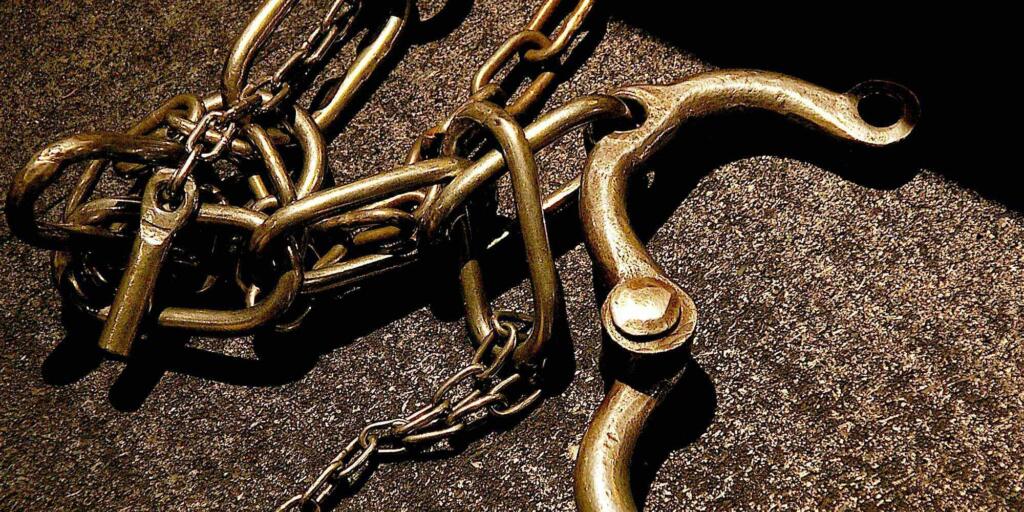
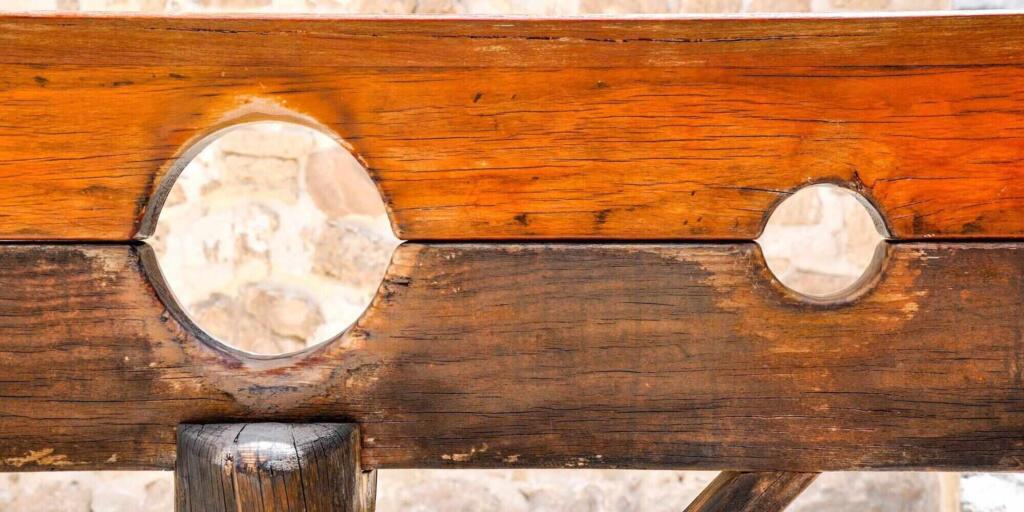
It’s a chance to step back in time to the period when an estimated 160,000 men, women and children were transported as convicts from England to the colonies in Australia for crimes ranging from stealing a handkerchief to cold blooded murder. At least 12,000 convicts did time at the Port Arthur Penal Settlement on Tasmania’s southern coast, which earned a reputation for being one of the harshest of such facilities on the planet. Established in the early 1830s as a timber cutting station, Port Arthur served as a convict settlement for a relatively short 50 years. The site was given UNESCO World Heritage status in 2010 and recognised as one of Australia’s most complete records of convict life.
Watch our video tour of the Port Arthur Historic Site:
PORT ARTHUR HISTORIC SITE, Tasmania, Australia | Video Tour & Interview with CEO Will Flamsteed
Support our channel and save on travel by joining our new Top Traveller Club! 😄 Member benefits include a branded travel water bottle delivered to your door, and 10% off day and multi-day tour bookings worldwide!
It’s a crisp spring morning as we set off from Hobart for the 90-minute drive to Port Arthur on the Tasman Peninsula. There’s time for a photo stop at Eaglehawk Neck — the narrow isthmus that connects the mainland and peninsula. Statues of two savage looking chained dogs represent the ‘dog line’ that once blocked the one and only potential escape route from Port Arthur. Coming from England, most convicts couldn’t swim a stroke. An escape by land was the only option and the real dogs would have acted as a howling deterrent for any inmate attempting to make a break for freedom.
Upon entry to the Port Arthur Historic Site, each visitor receives a playing card corresponding to one of 52 convicts once incarcerated here. The card enables you to follow the progress of ‘your’ convict and learn more about their life at Port Arthur. My card — the four of hearts — matches the identity of 33-year-old Thomas Fleet — a blacksmith back in England. He was sentenced to life at Port Arthur in 1837 for burglary.
Idle hands were certainly regarded as the devil’s tools at Port Arthur back in the day. The main industries were timber logging and ship building, and it would have been back-breaking work. I learn that Thomas Fleet was assigned to the timber gang.
Not every prisoner was prepared to work out their sentence; despite the line of dogs guarding the isthmus, there were numerous escape attempts. The convicts were inventive in their efforts too — like inmate Billy Hunt, who thought he could pass himself off as a kangaroo! Yes, you read that right. His escape plan was thwarted when guards attempted to shoot the ‘animal’ for food!

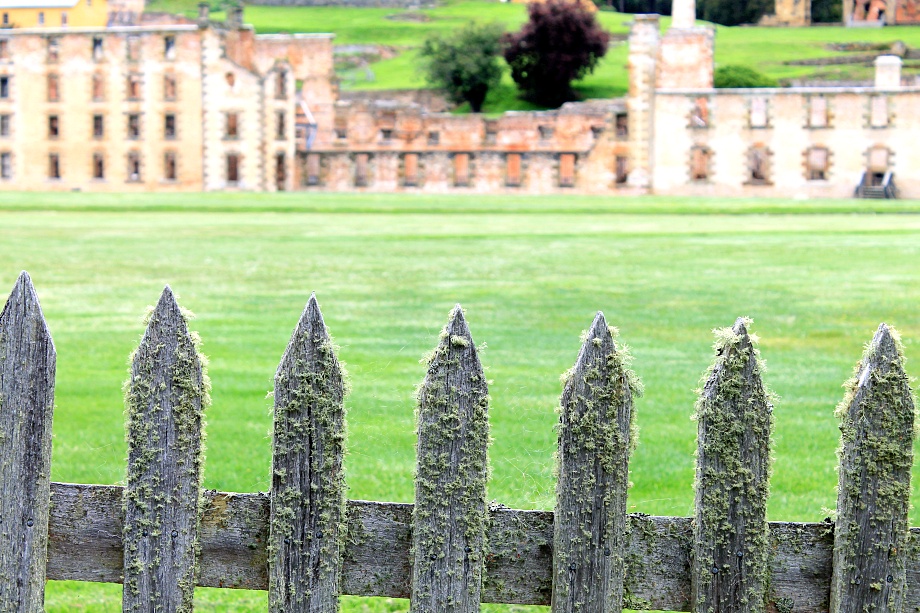
Port Arthur has about 30 surviving buildings in total — some in ruins, some restored, and some in between — and we set off at a brisk pace to explore. Civil Row is where the magistrate, chaplain, and medical officers’ houses were located. It’s here that you’ll also find the parsonage — reputed to be one of the most haunted buildings in Australia. After dying in his upstairs bedroom, Reverend George Eastman was too tall for his body to be taken out via the stairs. As he was being lowered out the window, the rope snapped. It’s said that the Reverend can be heard moaning in the dead of night.
Understandably, mental health issues were rife at Port Arthur, and we learn more over at the former Asylum building. Today it hosts a study centre, which shares more stories about former inmates — including juvenile convicts as young as seven who were sent to Port Arthur for stealing toys.

Right next to the Asylum is the fully restored Separate Prison, which housed a number of cells devoted to solitary confinement. Here, repeat offenders were locked up for up to 23 hours a day. In these tiny, cold, pitch black spaces, inmates were expected to sit and reflect on their crimes in the hope of being rehabilitated. I step inside a cell and the door closes behind me. The walls seem to close in as well. It’s just a taste of the claustrophobia the inmates must have experienced.

Our day concludes with a 20-minute harbour cruise (included in the site entry price), which passes the aptly named Isle of the Dead. This small island is where most of those who perished at Port Arthur were buried, including both Thomas Fleet and Reverend Eastman.
All in all, the Port Arthur Historic Site is an absorbing barred window on one of the harshest chapters in our nation’s history.
For more information, visit www.portarthur.org.au.
Browse our range of Hobart tours and experiences here. We offer a Best Price Guarantee.
Additional images: Bigstock

About the writer
Linda Botting is a freelance writer, photographer, and travel blogger based in Adelaide, South Australia. Her work has appeared in Great Walks, SA Weekend, and International Traveller. She has travelled extensively through Western Europe, the Americas, Africa, Asia, and Australia. Linda has lived in London, trekked Peru, practised yoga in Bali, studied Italian in Italy, and played polo in Argentina. She seeks to inspire like-minded, independent travellers to explore our amazing planet.