Top Oz Tours offers a great range of New South Wales tours and experiences. You can browse the options here.
The story of Cowra in Central New South Wales could aptly be titled ‘War and Peace’.
It’s a tale of pioneers and prisoners, and courage and commitment, unlike any other in Australia. From learning about the infamous Cowra Breakout in mid 1944, to soaking up the emotive beauty of the Japanese Garden and region’s soaring silo art, there’s plenty to keep inquisitive visitors occupied for a stay of three or four days.
Here’s a checklist of our top ten things to do in Cowra.
1. Hear the story of the Cowra Breakout
There are two reasons you should drop into the Cowra Visitor Information Centre on arrival in town. First, you can get the ‘goss’ from local experts about special events and activities that are happening during your stay. Second, you need to meet Claire — the main character in a fascinating hologram presentation, who tells the story of the Cowra Breakout through her eyes. We found it totally enthralling and recommend this as your first Cowra stop.
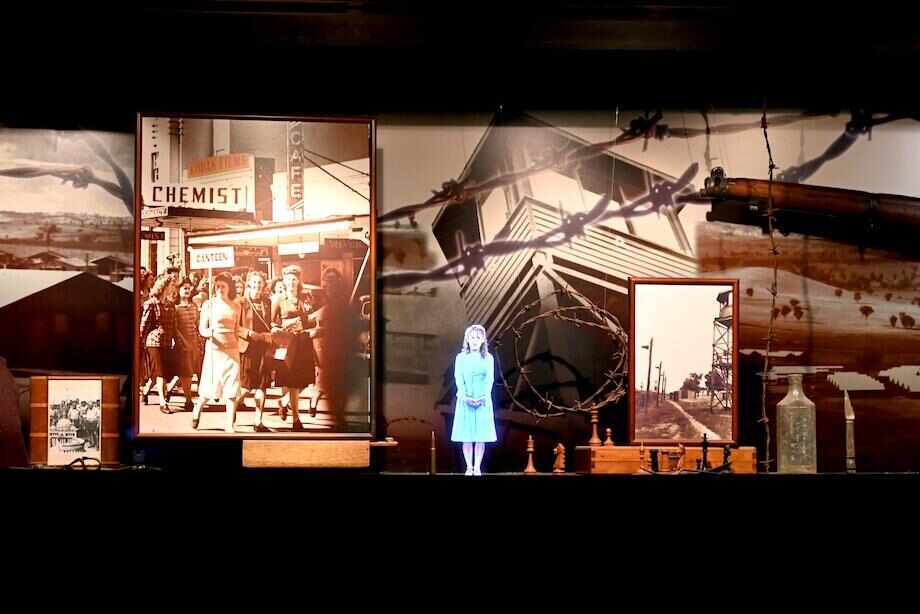
2. Learn more about the bloody bid for freedom
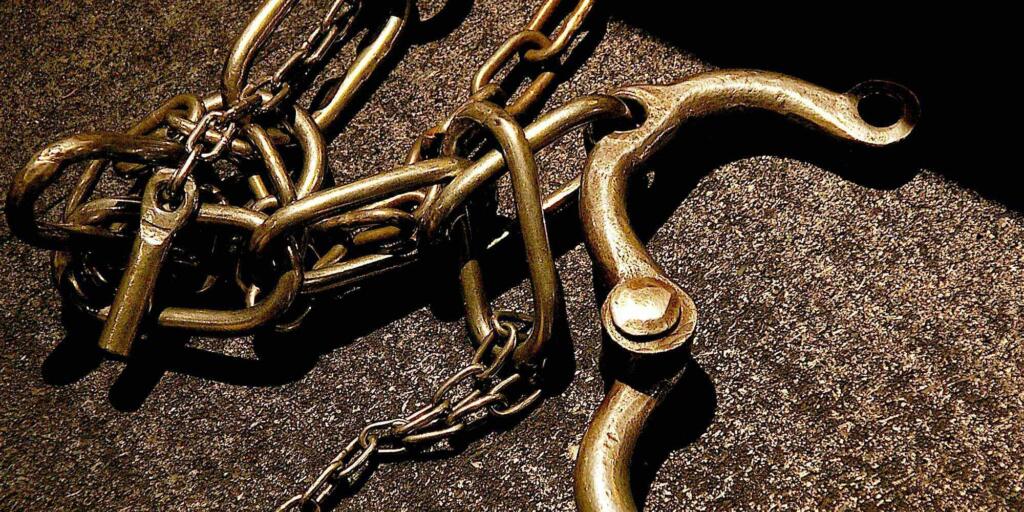
From there, head to the site of the camp that Claire described. It was Australia’s largest World War II prisoner-of-war detention facility. Take a seat in the shade under the guard tower and listen to the site’s fascinating story broadcast by loudspeaker. It’s chilling to picture the scenes of chaos that unfolded on that August night, as an estimated 1,000 Japanese POWs armed with makeshift weapons attempted to stage a mass escape. You’ll hear of desperate men striving to maintain their honour, and the few brave soldiers who tried to withstand their suicidal attack.

3. Contemplate the past at the Cowra War Cemeteries
Not far away, the Cowra War Cemeteries are two cemeteries side by side: Australia’s only Japanese war cemetery, which holds the graves of the prisoners who perished in the breakout; lying peacefully beside them, the graves of the four Australians who lost their lives, as well as the graves of other local soldiers. It’s a place of tranquillity, and a light breeze was blowing as we wandered beneath the Japanese maples. The site, beautifully tended by the RSL, is often visited by Japanese dignitaries.

4. Visit the Japanese Garden
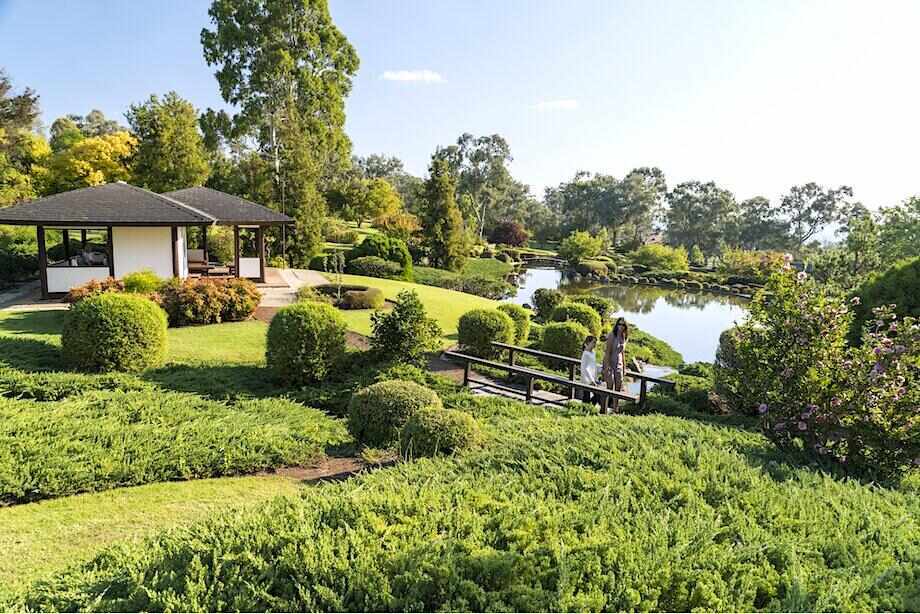
At the end of Sakura Avenue, the Cowra Japanese Garden and Cultural Centre has become a symbol of reconciliation between Japan and Australia. Designed by world-renowned designer Ken Nakajima, these are the largest Japanese gardens in the Southern Hemisphere. Lovingly designed and curated with flowering plants, rocky hillsides, manicured hedges, waterfalls, lakes and streams, we found the gardens peaceful and contemplative. Time your visit if you can for the annual cherry blossom festival in September, but otherwise, there are always gorgeous floral displays to enjoy.
5. Connect with local Aboriginal culture
What do walls, bridges, tanks and silos have in common? They’re great sites for murals! We sighted the Cowra Bridge Pylons as we crossed the Lachlan River Bridge, before making a quick U-turn to check out and photograph the awesome artworks. These huge murals, painted by local Aboriginal artist Kym Freeman with the help of local youths, depict native wildlife and the Wiradjuri people, who predated white settlement in the area.
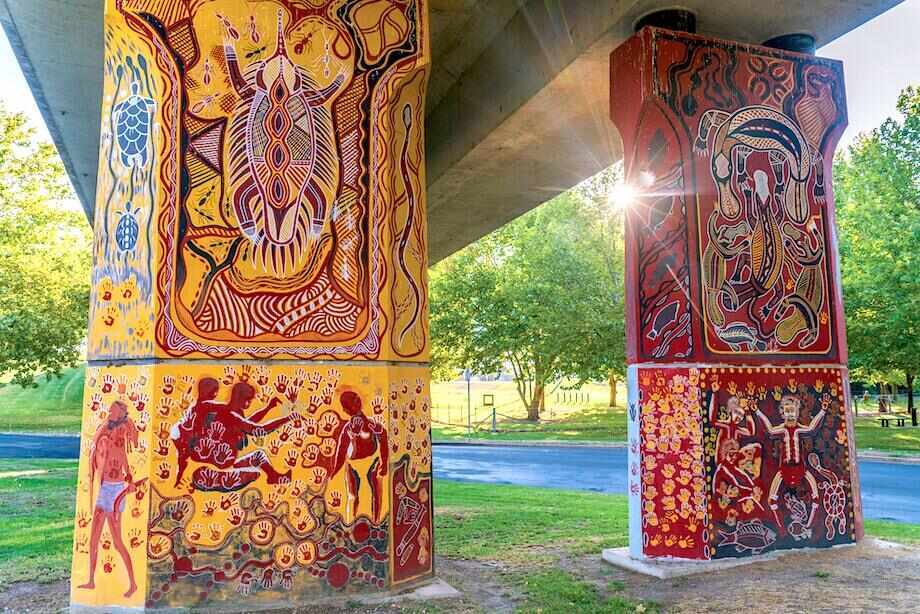
6. Meet the winemakers
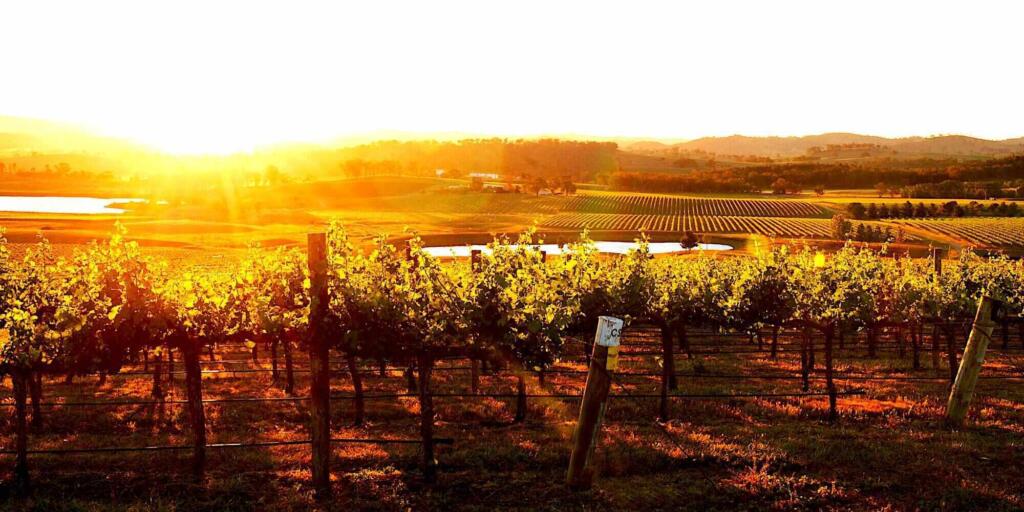
The wineries around Cowra and Canowindra are well known for their organic, minimal intervention wines; book ahead to visit the likes of Antonio’s Wines, Rosnay Organic, and Wallington Wines for tastings. If you’re short on time, The Quarry Restaurant and Cellar Door is a one-stop-shop for purchasing wines from various local vineyards. The restaurant menu showcases seasonal local produce and ingredients.

7. Do a day trip to Millthorpe…
An 80-kilometre drive (each way) from Cowra will allow you to visit two of NSW’s prettiest historical villages — Millthorpe and Carcoar — and it’s well worth the time and fuel to see both. On arrival in National Trust-listed Millthorpe, go for a wander along the main street to admire the quaint houses and shops, and call into Millthorpe Providore to pick up some local produce and goodies. You may also want to drop by the Slow Wine Co, Tamburlaine, or Angullong cellar doors for tastings, before looping back to visit Carcoar.

8. …and Carcoar
Dubbed ‘the town that time forgot’, Carcoar is home to the annual Carcoar Cup Running Festival. The start and finish lines for the race are clearly marked on the road in front of the Royal Hotel. There are lots of photo opportunities around town, along the riverbank, and across the old wooden bridge. You can stop for coffee and cake (and to pick up a town map) at The Village Grocer.

9. Check out a country castle
Visiting any castle is special, especially a feudal-like castle in the middle of country New South Wales! Mount Oriel Homestead, often referred to as Iandra Castle, was built in 1878 by George Henry Greene — a local pioneer share farmer. Set on a hillside in great grandeur, the castle forms part of a 3,000-acre estate. Check opening hours before you take the half-hour drive from Cowra.

10. See silo art
A further 20 minutes from Iandra Castle (50 kilometres from Cowra) is the town of Grenfell, which is famous for its silo art. Painted by Heesco Khosnaran in 2019, the Grenfell silos depict the local farming landscape. In the foreground are sheep, cattle and canola with native parrots and galahs flying overhead. Perspective is given by the Weddin Mountains National Park in the distance. Grenfell could easily inspire the theme for your next trip — following the NSW Silo Art Trail.
For more travel inspiration, visit www.visitcowra.com.au.
Browse our range of New South Wales tours and experiences here.
Do you have any suggestions to add to our list of the best things to do in Cowra? We would love to hear from you. Please leave a comment below.
Cover image: Cowra township from Bellevue Hill Lookout. Image: Destination NSW

About the writer
Marj Osborne has been reviewing restaurants for over twenty years, formerly for Mietta’s Eating and Drinking in Australia, and more recently for her own blog — Good Food Gold Coast. Her work has also been published in Cafe Culture, Cove Magazine, the Gold Coast Bulletin, and Blank Gold Coast. A researcher, teacher-librarian, and former hospitality educator trained in vegetarian cooking and wine appreciation, Marj believes in positive living and thinking, and spending time enriching the body, mind, and soul. She finds joy on country road trips discovering hidden gems.