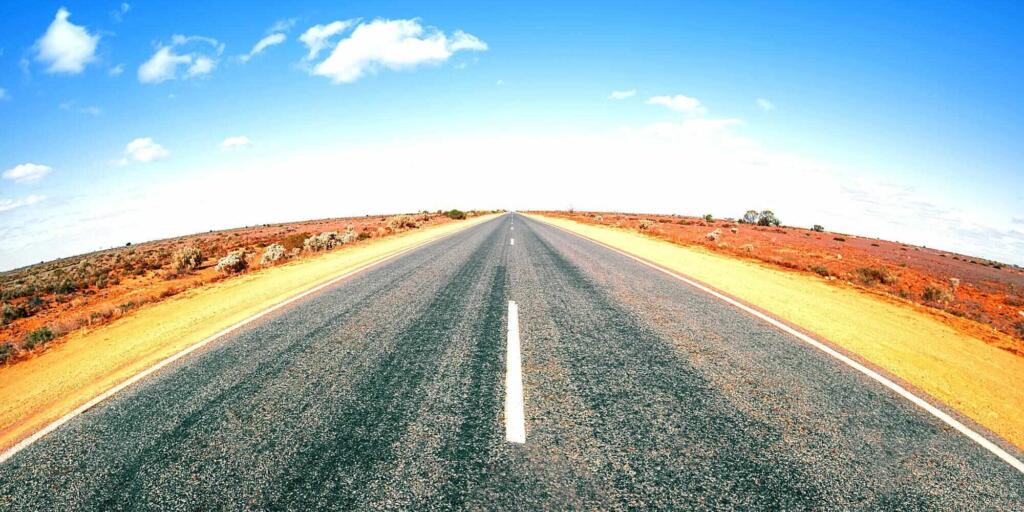

Australia is the home of the classic road trip.
There’s a whole lot of ground to cover if you have the time and tyre tread — 7.7-million square-kilometres in fact. And whether you’re camping, caravanning, or staying in country motels, big drives are often involved.
So, is long-distance driving for you? Well, while many of us view it as simply a necessary evil, extended time on the road actually brings plenty of benefits. Yes, it’s generally a cost-effective way to holiday, but a road trip can also leave you feeling more refreshed and revitalised than any other style of travel. For starters, you can forget about airport queues, schedule delays, lost luggage, and cramped planes. You feel more relaxed already, right?
Here are some of the other benefits of long-distance driving, and how to stay safe along the way.
The benefits of long-distance driving
Let’s start with a practical one. It’s good for your car! Short-distance driving (i.e.: trips of less than ten minutes or so) take a toll on your vehicle. Consider your engine oil for example. Constant short trips mean the oil never really gets hot enough to do the job of lubricating your engine properly. The oil degrades faster and becomes less effective over time. Hitting the open highway regularly will improve your vehicle’s performance in the long run.

It’s not just the stress on your vehicle that’s lessened by long-distance driving. It can also have a therapeutic effect on the driver! Experts suggest that while driving is a complex task, it occupies only a portion of your brain’s thought bandwidth — giving you the space to think clearly and calmly about other aspects your life. Making plans, assessing outcomes, and weighing up perplexing courses of action can all be done effectively while driving.
That sounds great if you happen to be driving alone. If not, long distance driving also opens the door to quality time with family and friends. An extended period in the car allows you to put side everyday distractions and engage in in-depth conversation, sing-alongs, and games. Personal interactions can flourish as the kilometres fly by.

And of course, there‘s the old adage that ‘change is as good as a holiday’. Simply by stepping (or driving!) out of your familiar environment and exploring somewhere new, you may experience beneficial physiological changes. These often include an increased attention span and improved focus, faster emotional processing, and the ability to be more emotionally engaged. There’s something in that for all of us!
How to stay safe on a long-distance drive
The Bureau of Infrastructure, Transport, Regional Development, and Communications’ annual road trauma report is a sobering read. Road crashes accounted for 1,123 deaths in Australia in 2021 (and serious injury to close to 40 times that number!). It’s also worth noting that approximately two thirds of road related fatalities occurred in regional and remote areas.
The leading causes of road accidents and fatalities are fatigue, speed, distraction (including the use of mobile devices), and driving under the influence of drugs or alcohol. Long-distance drivers should also keep in mind that it’s the actions of others (over which you have no control) that can lead to your involvement in a major incident. Always be wary of what other drivers are doing and keep your distance. It’s an easy way to stay safe. Here are some others.
1. Plan ahead
Planning ahead will make your long-distance road trip safer and more enjoyable. Work out the route and roads you’ll take, and limit your daily drive to a distance you can comfortably handle. It’s generally recommended that long-distance drivers spend no more than eight hours behind the wheel, and take breaks every two hours. Eight hours is probably far too much for most of us; cut your daily drive time back, travel at a leisurely pace, and enjoy the journey.

2. Prepare your vehicle
Ensure that your vehicle is in good condition by arranging a pre-road-trip service. At a minimum, check your oil, tyre pressure, lights, indicators, and coolant, and make sure you understand what to do in the event of a flat tyre. Also prepare the inside of your vehicle. Invest in seat covers that are comfortable, cooling, and easy to clean. Keep a bag in the car for rubbish disposal, and stock up on tissues, hand wipes, and sanitiser.
3. Get lots of rest
The ability to maintain focus on the road is key to safe driving. Get a good night’s sleep before setting out and pull over for a power nap if you start to feel tired during the trip.
4. Eat well
If you’re spending an extended period behind the wheel, eat foods that are low in fat. Avoid greasy fast food entirely; it can leave you feeling bloated and sluggish, which in turn can lead to a loss of concentration. Go for something like a tuna salad or ham and salad sandwich, and snack on fruit, nuts, and muesli bars. Sweets will give you an instant sugar lift, but your energy levels may drop dramatically soon afterwards. Eat them sparingly.
5. Drink plenty of water
Staying hydrated while on the road is another must-do. Dehydration can cause dizziness and sleepiness, putting you and your passengers at risk. Take regular sips of water and always carry a back-up supply in case of an emergency.

6. Exercise extra caution on unsealed roads
Outback trips almost always involve some driving on unsealed roads. The risk of losing control of your vehicle on a dirt road is much greater than on a sealed road, so slow down and take it easy. Give other drivers a wide berth to avoid stone chips and smashed windscreens.
7. Don’t cross flooded roadways
It’s never a good idea to cross a flooded road. According to the Royal Automobile Club (RAC) of WA, just 15 centimetres of flowing water is enough to sweep a standard car off the road, while a 4WD driver can lose control in 30 centimetres of flowing water. Stay safe and look for an alternative route.
8. Watch out for wildlife
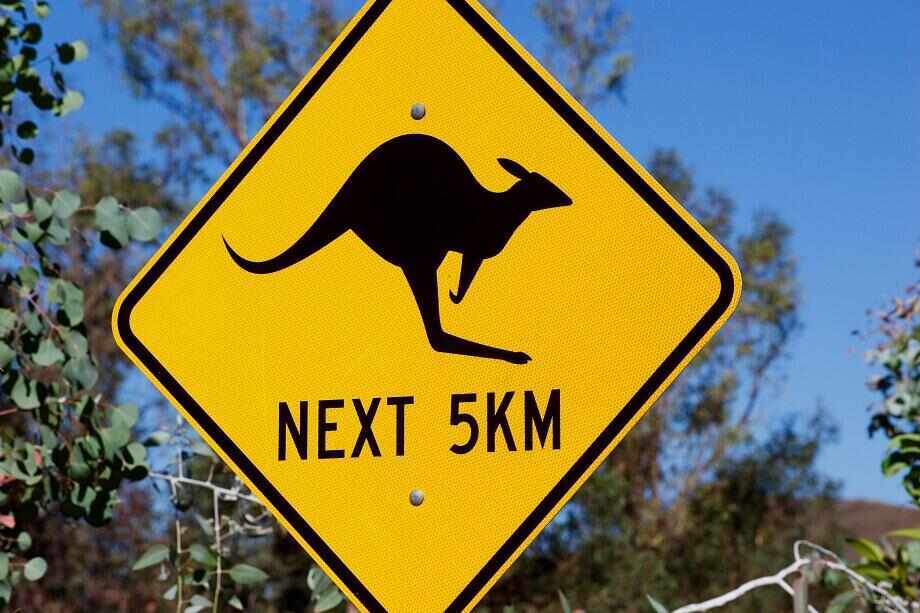
Australia is home to amazing wildlife, and unfortunately, much of it is drawn to roadsides by the abundance of grass (which thrives on the moisture emitted by car exhausts). Livestock can also pose a risk to drivers. Dusk and dawn are the most dangerous times of day for wildlife collisions, as animals grazing by the road can quickly become disorientated by vehicle headlights. Be extra vigilant when driving in the early morning or late afternoon and sound your horn regularly in heavily vegetated settings. Swerving to avoid an animal at the last minute can have catastrophic results. Prevention is better than a last-minute attempt at a cure.
This post was published thanks to Fit My Car.
Browse our range of Australia tours and experiences here.
Do you have any tips for safe long-distance driving in Australia? We would love to hear from you. Join the conversation on our Facebook page.
The information contained in this story is general in nature and does not constitute professional advice in any way. We make every effort to ensure this content is accurate, but we do not guarantee it. You should do your own research and seek the advice of professionals before acting or relying on any of the information provided in this story.
Additional images: Bigstock

About the writer
Adam Ford is editor of Top Oz Tours & Travel Ideas, and a travel TV presenter, writer, blogger, and photographer. He has travelled extensively through Europe, Asia, North America, Africa, and the Middle East. Adam worked as a travel consultant for a number of years with Flight Centre before taking up the opportunity to travel the world himself as host of the TV series Tour the World on Network Ten. He loves to experience everything a new destination has to offer and is equally at home in a five-star Palazzo in Pisa or a home-stay in Hanoi.
Travel essentials
You can book many aspects of your holiday on the Top Oz Tours & Travel Ideas website, including flights, hotels, car hire, travel insurance, and more. When you purchase a product or service using the following links from our partners, we receive a small commission. It does not affect the price you pay, and it enables us to continue to provide readers with amazing travel inspiration.
Flights
Compare airlines, flights, and fares in one place with Booking.com. They don’t charge any credit card fees and you can always see exactly what you’re paying for in the price breakdown. You can book one-way, round-trip, and multi-city flights, and change your travel dates with ease when you opt for a flexible ticket option (an additional cost applies). It all adds up to a great flight! Search for flights with Booking.com
Hotels
If you’re looking for a great deal on your next hotel or homestay, look no further than Booking.com. Their mission is to make travel affordable and accessible to more people, and to deliver seamless accommodation experiences that complement your holiday. Search for hotels and homestays with Booking.com
Car hire
Discover Cars is an award-winning (World Travel Awards) car rental comparison website, which helps customers find, compare, and hire cars at the most competitive prices globally. Search for hire cars with Discover Cars
Day tours & experiences
Search and book day tours, guided experiences, and attraction tickets and passes worldwide with Top Oz Tours and Viator. There are no booking or credit card fees when you book through us, and you’ll have access to the widest choice of activities and most competitive prices. Browse day tours and experiences
Multi-day tours & trips
Top Oz Tours has joined forced with Tour Radar to bring you a fabulous range of multi-day tours and trips from the world’s leading operators. Travel with like minded people and get the best possible price on the holiday of your dreams. Browse multi-day tours and trips
Travel insurance
World Nomads aims to be a part of every traveller’s journey by providing a reassuring range of travel insurance services. Benefits include coverage for emergency medical and evacuation or repatriation, lost baggage, trip cancellation, and more than 150 adventure activities. Get an insurance costing