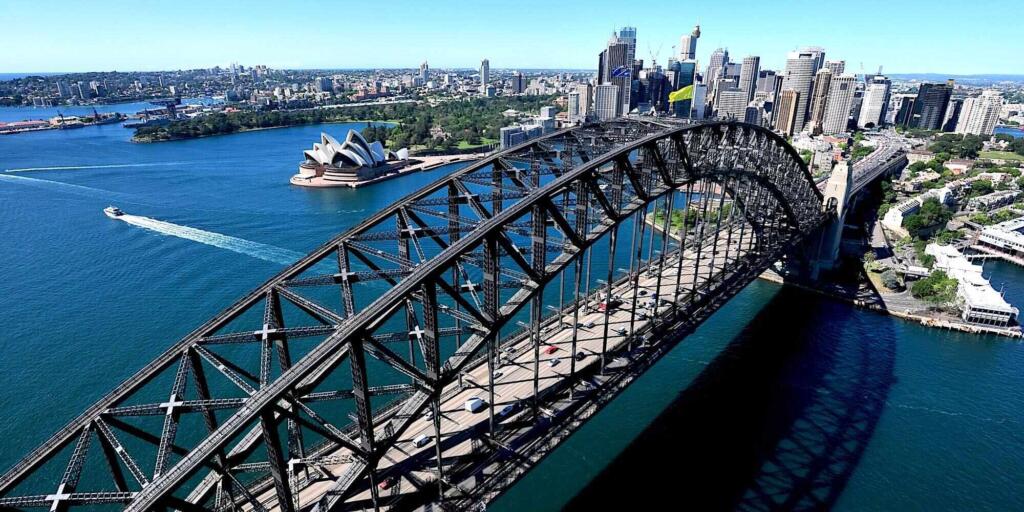

The meteoric rise in popularity of mountain biking as an adventure activity in Australia has seen any number of new trail networks open for business.
Of particular note recently are the 39-kilometre closed-loop Remarkable Epic Trail in South Australia’s Mount Remarkable National Park, the 58-kilometre elevated trail network in Nullica State Forest outside the Sapphire Coast town of Eden (New South Wales), and the 56-kilometre, $2 million Indigo Epic Trail in Victoria’s high country — which links existing trails between Beechworth and Yackandandah. And expect to hear a whole lot of buzz about Djuwang Baring — a newly minted 60-kilometre network of trails in former forestry hub Creswick (central Victoria).
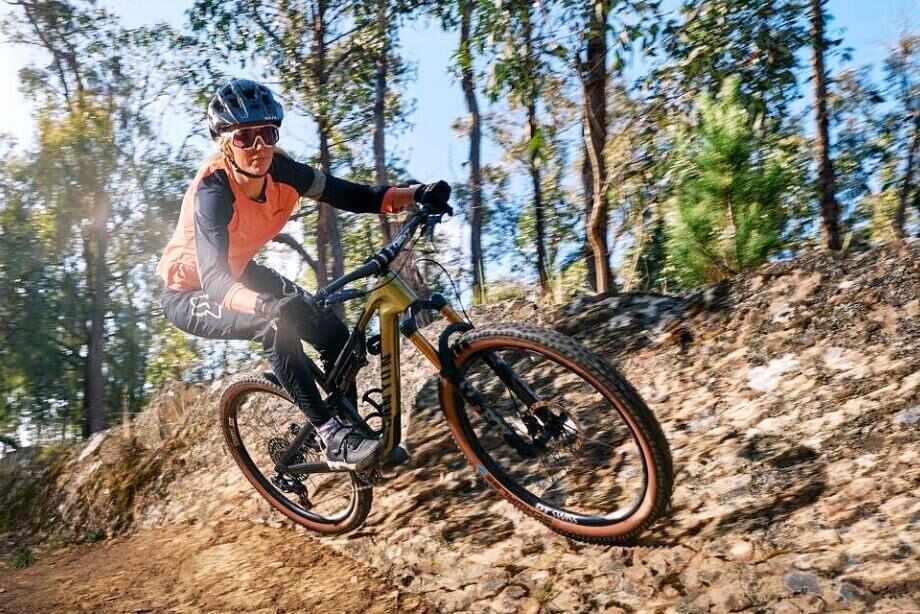
Whether you’re a seasoned rider or a complete novice and preparing for a day ride, a weekend trip, or an extended enduro of bombing the berms, here’s a checklist of ten essential pieces of mountain biking gear that can make or break the experience.
1. Invest in quality racks
Transporting your bike to and from the trailhead in good condition is obviously paramount, and you’ll want the loading and unloading process to be fast and efficient. Choose reliable bike racks with a self-lowering hitch for easy roll in/roll out maneuvering. It will get you out of your vehicle and onto the trail that much more swiftly.
2. Protect your head with a great helmet
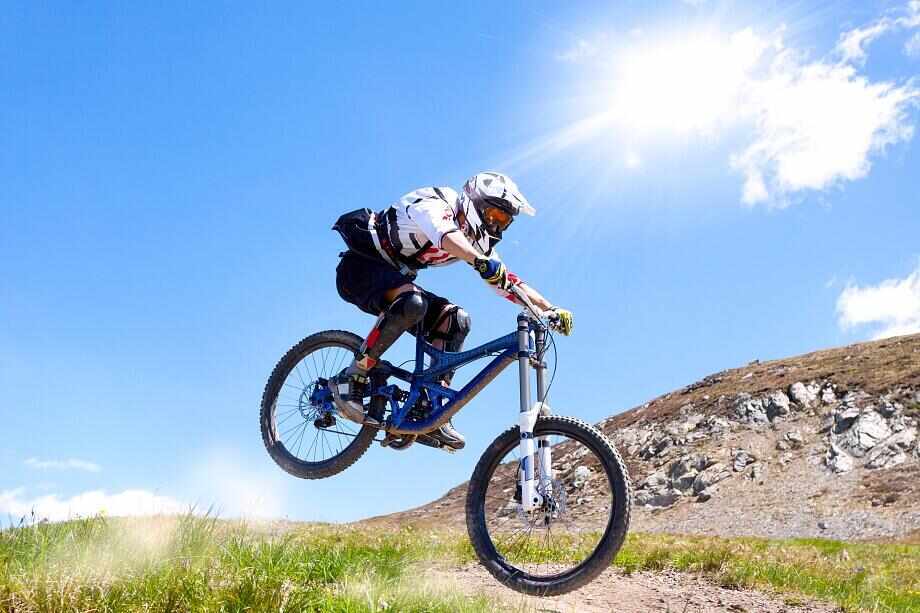
You only have one, so it makes sense to protect your head with a good quality helmet. Look for one that offers full protection, is tough but lightweight, and features ample ventilation. Helmets with MIPS (Multi-directional Impact Protection System) technology provide extra protection against rotational forces during a fall. Comfort is also key here — so ensure the helmet you choose fits snugly, without being too tight.
3. Eye up some awesome eyewear
Most full helmets come with a visor to shield your face from mud, dust, and debris, but extra protective eye wear shouldn’t be overlooked. Opt for glasses or goggles with UV protection, anti-fog coating, and shatterproof lenses. Some options come with interchangeable lenses, so you can adjust the level of UV cover depending on the amount of sunlight hitting the track. Your choice of eyewear should fit snugly so that it stays in place during a rough ride.
4. Go for gloves with good grip
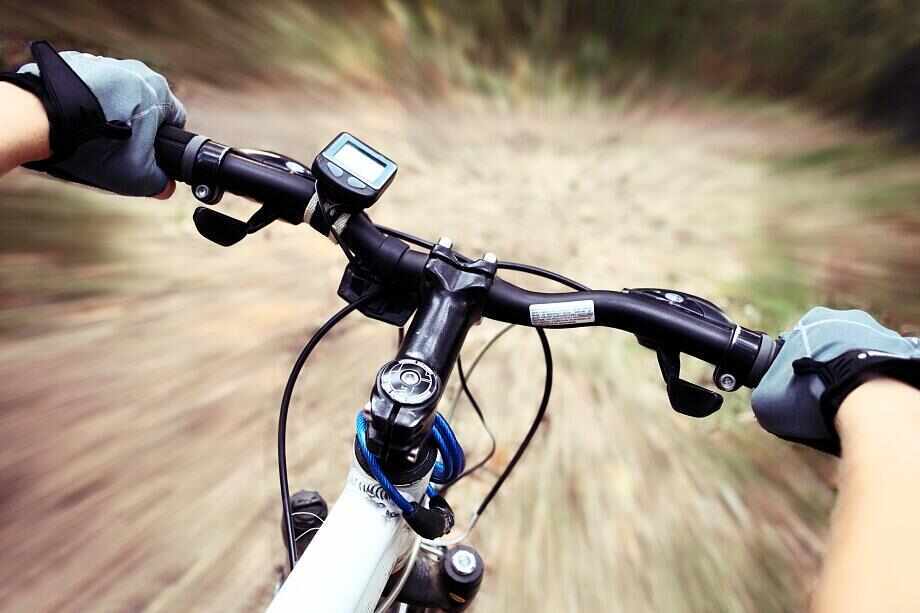
You’re going to be gripping those handlebars for hours on end, so a durable pair of MTB gloves are essential for maintaining a firm hold and protecting your hands from blisters, abrasions, and what will possibly feel like arctic winds on high altitude slopes. Choose gloves made from breathable materials with padded palms to absorb the vibrations coming your way. Fingerless gloves are popular in warm weather, but full-finger gloves obviously offer better all-round protection.
5. Have a hydration pack
When you’re out on a circuit putting all your focus on the twist and turns, it’s very easy to become dehydrated — which can lead to a loss of concentration and the possibility of serious injury. Invest in a hydration pack, which is better than a water bottle as you can sip continuously while riding your bike. Most packs have a bladder that can hold around three litres of water, along with extra pockets for storing snacks, tools, and other small items. Look for a pack that has adjustable straps for a comfortable fit.
6. Pad out your ride
By definition, mountain biking involves a lot of time in the saddle — and a bit of extra padding will soften the blows from punishing terrain. Padded MTB shorts are designed to reduce friction and chafing, and keep you dry and comfortable during long rides. Some riders find them too bulky — and if that’s you, a separate chamois (undergarment) with a small amount of padding may be the answer.
7. Keep a tool kit on hand
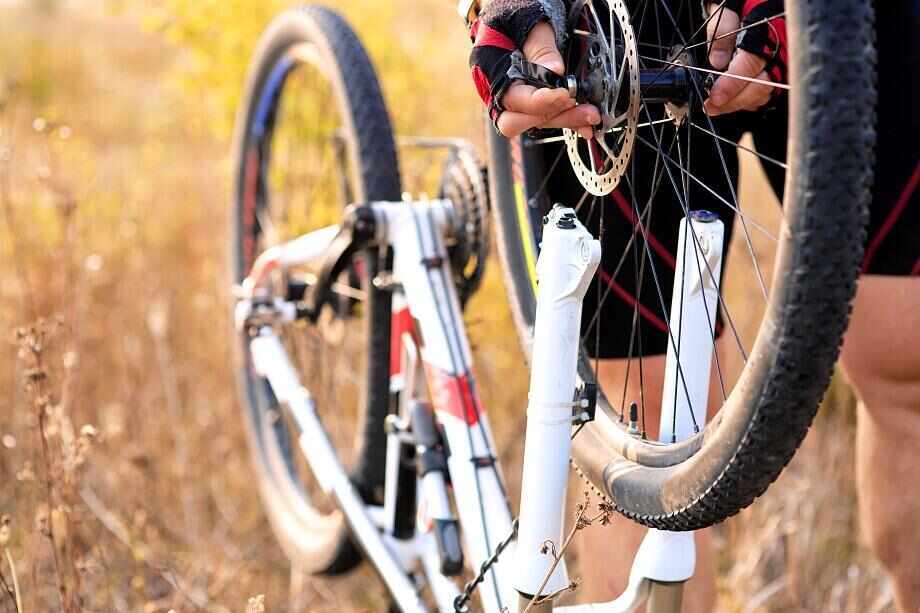
When you’re in the middle of your ride and miles from anywhere, a flat or breakdown can ruin your day — if you’re not prepared for it. Have a compact tool kit on hand for fixing common issues like flat tyres, busted chains, and loose bolts. Your kit should include a multi-tool (with Allen keys and screwdrivers), a chain tool, and a tyre lever, along with a spare tube, patch kit, and mini pump.
8. Find the right footwear
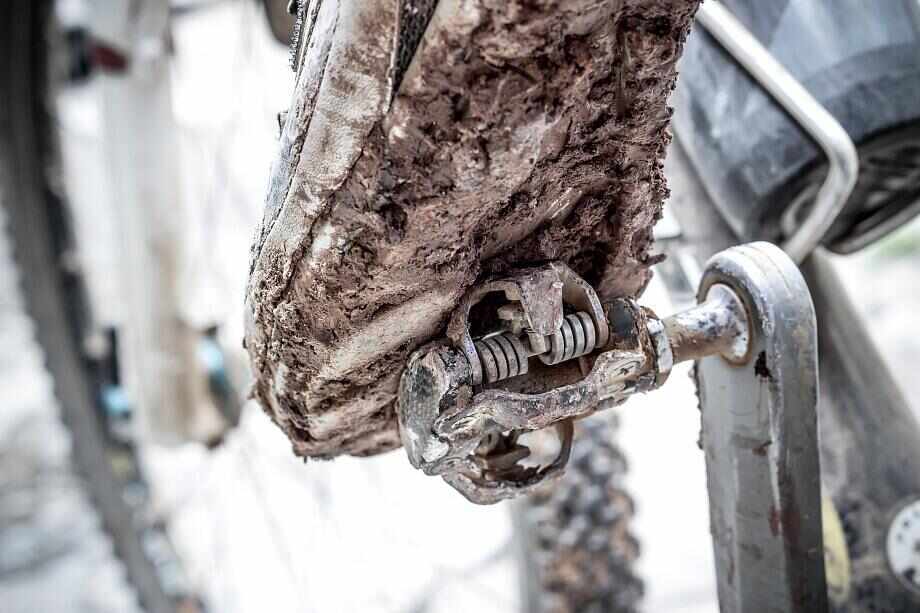
What footwear you choose to ride in may come down to your skill level. Clipless shoes that attach to the pedals of a bike are popular among experienced riders because they offer an advanced level of control and transfer of power from legs to bike. They have a safety release feature, but wearing clipless shoes can mean that where you go — your bike is coming too! If you’re not ready to go clipless, flat-pedal shoes with extra grip on the sole are the ideal alternative. Look for shoes that are tough enough to endure conditions on the track, but flexible enough to be comfortable when walking your bike.
9. Be prepared with a beacon and first aid kit
Accidents do happen on mountain biking trails and it’s best practice to be prepared, especially given that many of Australia’s gnarliest networks are situated in remote areas with limited mobile coverage. First and foremost, let someone know of your plans before the ride. Second, consider carrying an EPIRB (emergency position-indicating radio beacon). Third, carry a compact first aid kit with you at all times. It should include the basics like bandages, antiseptic wipes, gauze, adhesive tape, and pain relief medication. You can buy a pre-assembled kit or put one together yourself.
10. Light the way
Being visible to other riders is another important safety consideration — particularly if you plan on riding early in the morning, late in the evening, or in a dense forest setting. A powerful MTB front light will help you see the trail ahead, while a taillight will ensure you can be seen from behind. Rechargeable LED lights are a popular choice because they’re bright, long-lasting, and quick to charge up. Look for a light with multiple brightness settings for different conditions.
This post was published thanks to Velocirax.
Browse our range of Australia tours and experiences here.
Do you have any suggestions to add to our list of the essential pieces of gear for a mountain biking trip? We would love to hear from you. Join the conversation on our Facebook page.
Additional images: Depositphotos, Bigstock, and Envato
About the writer
Adam Ford is editor of Top Oz Tours & Travel Ideas, and a travel TV presenter, writer, blogger, and photographer. He has travelled extensively through Europe, Asia, North America, Africa, and the Middle East. Adam worked as a travel consultant for a number of years with Flight Centre before taking up the opportunity to travel the world himself as host of the TV series Tour the World on Network Ten. He loves to experience everything a new destination has to offer and is equally at home in a five-star Palazzo in Pisa or a home-stay in Hanoi.
Travel essentials
You can book many aspects of your holiday on the Top Oz Tours & Travel Ideas website, including flights, hotels, car hire, travel insurance, and more. When you purchase a product or service using the following links from our partners, we receive a small commission. It does not affect the price you pay, and it enables us to continue to provide readers with amazing travel inspiration.
Flights
Compare airlines, flights, and fares in one place with Booking.com. They don’t charge any credit card fees and you can always see exactly what you’re paying for in the price breakdown. You can book one-way, round-trip, and multi-city flights, and change your travel dates with ease when you opt for a flexible ticket option (an additional cost applies). It all adds up to a great flight! Search for flights with Booking.com
Hotels
If you’re looking for a great deal on your next hotel or homestay, look no further than Booking.com. Their mission is to make travel affordable and accessible to more people, and to deliver seamless accommodation experiences that complement your holiday. Search for hotels and homestays with Booking.com
Car hire
Discover Cars is an award-winning (World Travel Awards) car rental comparison website, which helps customers find, compare, and hire cars at the most competitive prices globally. Search for hire cars with Discover Cars
Day tours & experiences
Search and book day tours, guided experiences, and attraction tickets and passes worldwide with Top Oz Tours and Viator. There are no booking or credit card fees when you book through us, and you’ll have access to the widest choice of activities and most competitive prices. Browse day tours and experiences
Multi-day tours & trips
Top Oz Tours has joined forced with Tour Radar to bring you a fabulous range of multi-day tours and trips from the world’s leading operators. Travel with like minded people and get the best possible price on the holiday of your dreams. Browse multi-day tours and trips
Travel insurance
World Nomads aims to be a part of every traveller’s journey by providing a reassuring range of travel insurance services. Benefits include coverage for emergency medical and evacuation or repatriation, lost baggage, trip cancellation, and more than 150 adventure activities. Get an insurance costing