
Top Oz Tours offers a great range of Australia tours and experiences. You can browse the options here.
With the cost-of-living crisis cutting deep down under, as a traveller it can be particularly hard to balance the books in terms of your holiday food bill.
Dining out in this country is eye-wateringly expensive and even purchasing a small basket of groceries from the supermarket can leave you wondering where exactly the money went.
But don’t despair. It is possible to eat well in Oz and keep your budget in the black. Here are ten ways to save money on food while travelling in Australia.
1. Opt for self-catering accommodation
Preparing food yourself is, of course, one of the best ways to reduce cost the cost of dining while on holiday. However, it’s impossible to do without some basic cooking facilities at the very least. So, where possible, opt for accommodation options that allow you to self-cater. Serviced apartments and Airbnbs are ideal as they generally come with a fully equipped kitchen, and hostels often offer the use of a shared meal prep area. Even if you’re camping, many Australian caravan and holiday parks offer the use of a camp kitchen. Just remember to pay it forward and clean up after yourself.

2. Be an informed supermarket shopper
So, you have a kitchen to cook in; now you need ingredients. And therefore, it pays to know your way around Australia’s grocery landscape. It’s dominated by two key players — Woolworths and Coles — and there’s really very little to choose from between them with regard to price and range. IGA (Independent Grocers of Australia) supermarkets are smaller, often positioned based on convenience, and generally pricier. German-based grocery retailer Aldi has been making trouble for the big boys and now holds just under 10% of the country’s supermarket sales. It’s generally seen as cheaper than Coles and Woolworths but doesn’t offer the range of brands that Australian shoppers are used to.
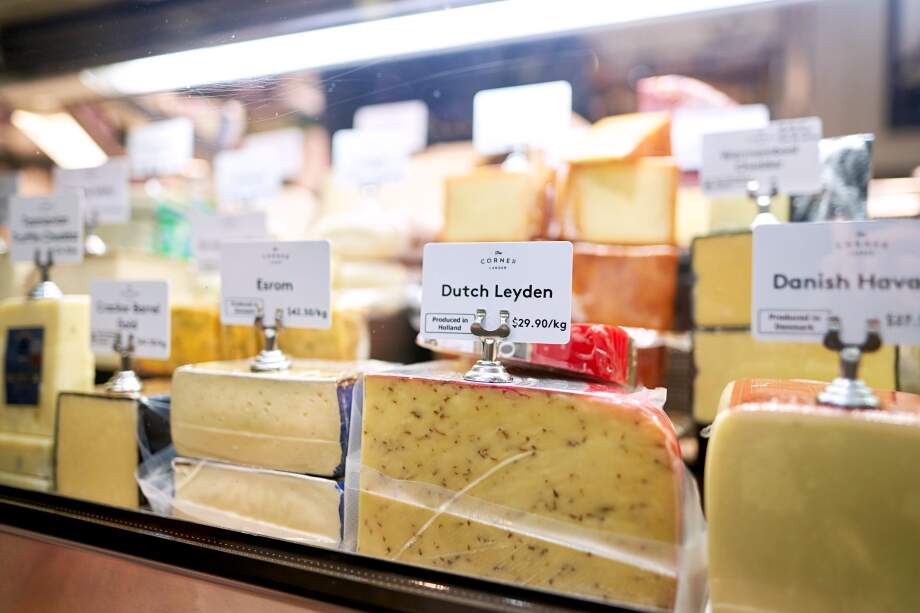
Fresh food markets like the Queen Victoria Market in Melbourne and the Adelaide Central Market are a cost-effective option for purchasing fruit and vegetables, cheese, and small goods. Buy only what you need in order to minimise waste.
3. Have a long lunch rather than an expensive dinner
Everyone likes to splash out on a meal at a good restaurant while on holiday, but you can save money by being choosey about when you do it. It’s nearly always cheaper to eat at an upscale eatery at lunchtime rather than dinner. Research the restaurants you’d ideally like to try, then check whether they offer set lunch menus or specials. You can enjoy the ambience and quality, without having to pay full price for the privilege.

4. Avoid tourist precincts
When arriving at a destination for the first time it’s very easy to fall into the trap of eating in a tourist precinct restaurant. Hotels tend to be clustered nearby, you’re hungry, and it’s convenient — but it’s unlikely to be good, either in quality or price. The key to avoiding these culinary Venus flytraps is planning; plan where you are going to eat before you arrive. If you have no choice but to eat in a touristy haunt, look for restaurants that present their menu on a blackboard rather than as photos in a flipbook. The menu is probably seasonal, somewhat fresher, and slightly more innovative.
5. Blow the hotel buffet breakfast
Hotel hot buffet breakfasts are a nice treat every now and then, but they’re generally expensive, usually a little on the cold side, and won’t do you a whole lot of good — especially if you’re trying to avoid those excess holiday kilos. If you must eat breakfast at your hotel, limit yourself to the cheaper continental option (it’s usually half the price) and fuel up for the day on cereal, toast, and fruit. You’ll feel all the better for it and have energy to burn. Better still, find a great local cafe and order something light and freshly prepared.

6. Go BYO
Ordering alcohol in any Australian restaurant will double your bill — period. If you’re serious about saving money, choose to eat in restaurants that allow you to BYO (bring your own). You’ll likely have to pay a corkage fee, but the saving will still be significant. Purchase a nice bottle of wine at a local bottle shop en route.

7. Look for meal deals
Australia’s dining scene is relatively competitive and one of the tools that many eateries use to attract customers are dining deals: two-for-ones, kids-eat-free, mid-week-specials etc. You’ll also find plenty of money-saving offers on websites like Groupon and Eat Club. Before shelling out on a deal, read reviews about the eatery in question and check the fine print for booking restrictions.
8. Find your way to Chinatown
Chinatown: most Australian capital cities have one and they’re the spot for tasty and well-priced Asian-style tucker. Follow your nose and the crowds to find the best venues.

9. Ask a local
When it comes to finding good value places to eat, there’s no substitute for a local’s perspective — so ask! Whenever you strike up a conversation with someone who lives in the city or town you’re visiting, ask them for a dining recommendation. Who knows, they may even invite you round for dinner!

Guided food tours are another tried and tested way to gather culinary intel. Not only will you graze on a variety of flavoursome eats along the way, but you’ll likely pick up lots of tips from your local guide for bars and eateries to return to during the rest of your stay.
10. Get a job in hospitality
And finally, temporary hospitality work in Australia is a great way to finance your travels — and possibly save on your holiday food bill at the same time! Depending on the conditions of your employment and the hours you work, you may be entitled to a staff meal during your shift or a generous discount on food purchases. And with many restaurants and cafes struggling to attract and retain reliable staff in the post-COVID world, this may even be something you can negotiate on up front.
This post was published thanks to Sidekicker.
Browse our range of Australia tours and experiences here.
Do you have any tips for ways to save on food while travelling in Australia? We would love to hear from you. Join the conversation on our Facebook page.
Additional images: Bigstock

About the writer
Adam Ford is editor of Top Oz Tours & Travel Ideas, and a travel TV presenter, writer, blogger, and photographer. He has travelled extensively through Europe, Asia, North America, Africa, and the Middle East. Adam worked as a travel consultant for a number of years with Flight Centre before taking up the opportunity to travel the world himself as host of the TV series Tour the World on Network Ten. He loves to experience everything a new destination has to offer and is equally at home in a five-star Palazzo in Pisa or a home-stay in Hanoi.
Travel essentials
You can book many aspects of your holiday on the Top Oz Tours & Travel Ideas website, including flights, hotels, car hire, travel insurance, and more. When you purchase a product or service using the following links from our partners, we receive a small commission. It does not affect the price you pay, and it enables us to continue to provide readers with amazing travel inspiration.
Flights
Compare airlines, flights, and fares in one place with Booking.com. They don’t charge any credit card fees and you can always see exactly what you’re paying for in the price breakdown. You can book one-way, round-trip, and multi-city flights, and change your travel dates with ease when you opt for a flexible ticket option (an additional cost applies). It all adds up to a great flight! Search for flights with Booking.com
Hotels
If you’re looking for a great deal on your next hotel or homestay, look no further than Booking.com. Their mission is to make travel affordable and accessible to more people, and to deliver seamless accommodation experiences that complement your holiday. Search for hotels and homestays with Booking.com
Car hire
Discover Cars is an award-winning (World Travel Awards) car rental comparison website, which helps customers find, compare, and hire cars at the most competitive prices globally. Search for hire cars with Discover Cars
Day tours & experiences
Search and book day tours, guided experiences, and attraction tickets and passes worldwide with Top Oz Tours and Viator. There are no booking or credit card fees when you book through us, and you’ll have access to the widest choice of activities and most competitive prices. Browse day tours and experiences
Multi-day tours & trips
Top Oz Tours has joined forced with Tour Radar to bring you a fabulous range of multi-day tours and trips from the world’s leading operators. Travel with like minded people and get the best possible price on the holiday of your dreams. Browse multi-day tours and trips
Travel insurance
World Nomads aims to be a part of every traveller’s journey by providing a reassuring range of travel insurance services. Benefits include coverage for emergency medical and evacuation or repatriation, lost baggage, trip cancellation, and more than 150 adventure activities. Get an insurance costing