
Top Oz Tours offers a great range of Australia tours and experiences. You can browse the options here.
Australia is renowned for being the driest inhabited continent on the planet, but that doesn’t mean you can leave your umbrella at home when travelling down under!
Covering an area of 7.688 million square-kilometres, the climatic conditions across this vast island are vastly different depending on where you travel. So, come ready for anything — and yes, that means rain, hail, or shine — and everything in between!
There are lots of other important considerations when planning your trip. If you’re visiting Australia as a tourist or on a non-working visa, ensure that you have adequate insurance cover for the cost of healthcare. Compare overseas visitors health cover (OVHC) to find the policy that best suits your needs. If you plan to visit in peak seasons, you should also book well ahead for accommodation and key activities.
But, back to the all important weather! Here’s a guide to the best times of year to visit Australia’s major cities and tourist destinations.
Sydney (New South Wales)
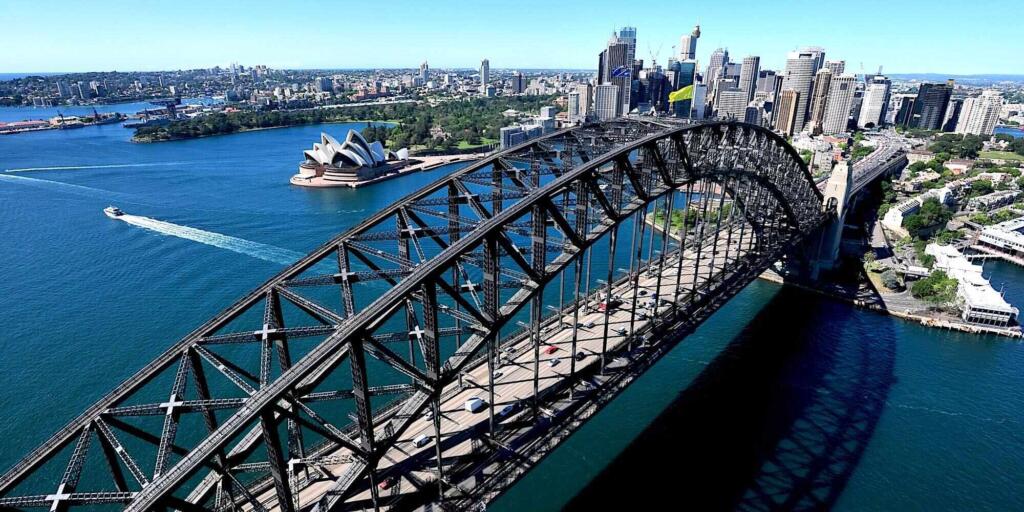
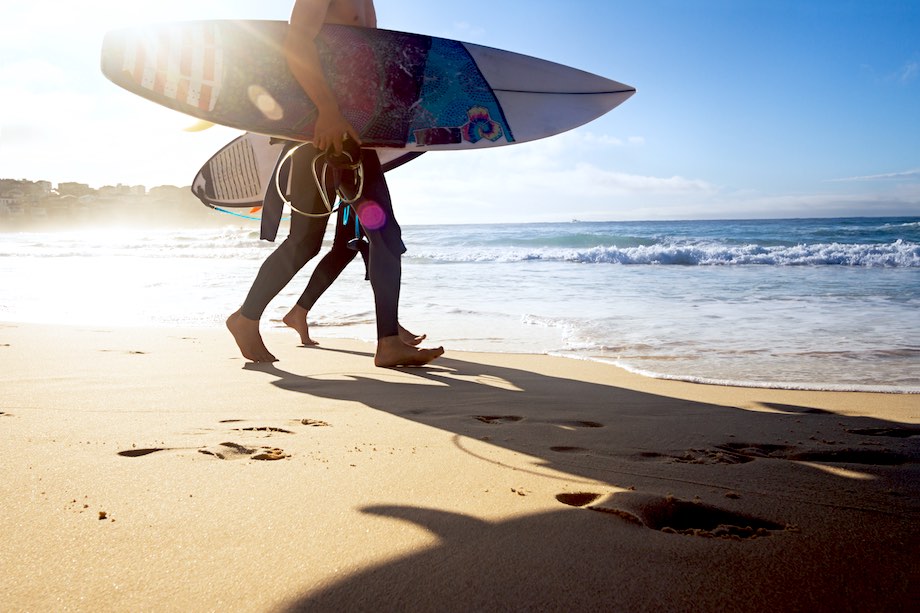
Summer is, unsurprisingly, the ideal time to touch down in Sydney if you love the water. Go boating on the glittering harbour and enjoy towel-time at any of the city’s amazing beaches (including world-famous Bondi, Coogee, Bronte, Manly, Shelly, and Palm Beach). Daily temperatures in summer range from the mid 20s to low 30s.
While it can be wet and windy, a visit to Sydney in winter brings its own rewards. This is a great time to check out the hottest new restaurants, hop between art galleries and museums, or rug up and spend time in the great outdoors. The nearby Blue Mountains are stunning in the colder months.
Spring and autumn offer the best of both worlds. They bring clear blue skies, mild temperatures, and the opportunity for visitors to enjoy everything the Harbour City has to offer.
Canberra (Australian Capital Territory)
Summer and autumn are the perfect seasons for exploring captivating Canberra — the nation’s capital. The summer months (December to February) are characterised by clear weather, low humidity, and temperatures in the mid to high 20s. Autumn (March to May) brings milder temperatures and swathes of vivid colour as the capital’s many deciduous trees lose their leaves. Stroll beside Lake Burley Griffin or head for the National Arboretum to see the autumn colours at their best. You’ll need something warm to pop on in the evening.
From June to August it gets mighty chilly in Canberra. The daytime temperature is likely to be stuck in single digits, falling to freezing overnight. Spring sees more than a million bulbs and annuals come into bloom for Floriade — a popular four-week cultural/horticultural festival, which kicks off in mid-September.

Melbourne (Victoria)
Melbourne famously features four seasons in one day, but you can catch the city at its finest from December through to May. In summer, dry days hit the high 20s (with occasional heatwaves pushing the mercury into the mid to high 30s). Autumn is characterised by sunny days and temperatures in the high teens. Pack a jacket to wear at night.

Winters in Melbourne can be long, grey, and relatively cold, with daytime temperatures in the low teens. Brave the chilliest days with plenty of layers, including a coat, scarf, and gloves. You can warm the cockles with a mulled wine at the mid-week Queen Victoria Winter Night Market.
Spring is the wettest time of year, and brings variable temperatures up to 20 degrees.

Brisbane (Queensland)
South East Queensland’s warm sunshine is always a plus, but autumn strikes the right balance for getting out and about in Brisbane without the crowds or humidity. Temperatures average in the low to mid 20s from March to May and you’ll enjoy mild sunny days.
Queensland is known as the Sunshine State, but it gets surprisingly cold in Brisbane during winter (with overnight temperatures in the low teens). Expect some rain and very fresh early mornings.
During spring, temperatures trend back up into the mid 20s, before summer pushes daily averages well into the 30s. Expect high humidity and lots of rain. Air-con is a must!

Hobart (Tasmania)
Hobart is a popular year-round travel proposition, but summer and autumn are the ideal times to visit the Tassie capital. Warm, dry days are the norm in January and February, as average temperatures hover in the mid to high 20s (perfect for a Bruny Island beach swim!). As the leaves change colour from March to May, milder temperatures make sightseeing even more of a pleasure.
Winter brings icy Antarctic winds, which drag the temperature down toward zero overnight. Pack warm! Spring sends temperatures back up to the mid teens, but the high average rainfall at this time of year can play havoc with your sightseeing plans.

Adelaide (South Australia)
Australia’s driest capital city, Adelaide is best enjoyed during summer and autumn. From December to February, t-shirts and shorts are all you’ll need as temperatures average in the high 20s (but beware, they can peak in the high 30s and even low 40s!). From March to May, milder weather brings temperatures in the high teens to low 20s.
If you’re visiting Adelaide in winter, pack a waterproof jacket and plenty of warm clothing. This is the wettest time of the year and temperatures drop into the low teens. Spring ups the average by five degrees, but keep a pullover handy. It cools down quickly at dusk.

Perth (Western Australia)
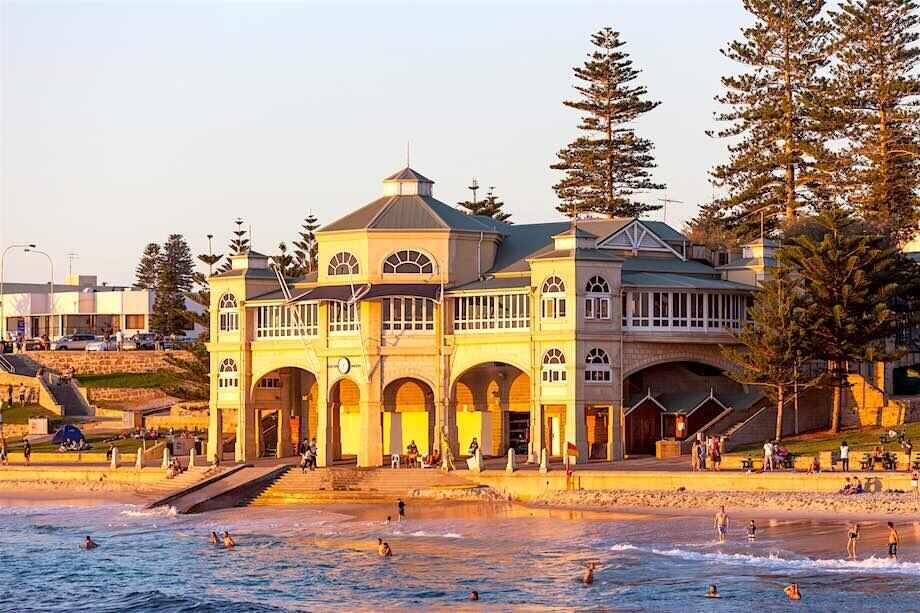
If you want to experience the west at its best, plan your visit to Perth for spring and early summer. West Australians live for the great outdoors, and the latter half of the year brings blissful beach weather (and spectacular ocean sunsets). As summer progresses, things really heat up — with top temperatures in the mid to high 30s. Relief generally comes in the form of an afternoon ocean breeze, known locally as the ‘Fremantle Doctor’.
Winters in Perth are fairly cold and generally very wet, as spectacular storms roll in regularly from the vast Indian Ocean.
Darwin (Northern Territory)
Darwin’s psyche is driven largely by its isolation and the weather. There are two main seasons — the Wet and the Dry. The Dry offers low humidity, and the months of May through September see warm days and balmy nights. This is considered peak season and grey nomads hightail it to the region in droves.

On the flipside, the Wet can be pretty spectacular — thanks to the monsoonal thunderstorms that lash the Top End at this time. December, January, February, and March are the wettest months — and while it’s hot and humid, look on the bright side. You’re likely to pick up a great deal on your hotel!
Cairns & Port Douglas (Queensland)
Up in Far North Queensland, Cairns and Port Douglas are two of Australia’s most popular holiday destinations. However, uber high humidity in the summer months can make things very uncomfortable; that, and the higher than average rainfall. Plan your visit for mid-year. From June to August, the days are dry, humidity is low, and temperatures hover in the mid 20s. Heaven!
The wet season slowly builds up through September, October, and November. The sea is calm and in terms of underwater visibility, this is the best time of the year for diving and snorkelling on the Great Barrier Reef.
Always be crocodile and stinger-wise in the Tropical North. Stinger season runs from November through to May (although box jellyfish may be present at other times of the year). Netted swimming enclosures at popular beaches are your best bet. Obey all safety signs and beach closures. It’s for your protection!

Gold Coast (Queensland)
The Gold Coast’s subtropical weather makes autumn a top time to drop by. Dry days and low humidity are the norm, and you can still enjoy a swim on Surfers Paradise beach at this time of year (with daytime temps in the mid 20s).
From June to August ‘winter’ sets in. Think mild, cloud-free days, with temperatures in the high teens to low 20s.
As spring progresses, beachgoers return in greater numbers and warm sea breezes waft over the region. Things get a little crazy in summer, starting with Schoolies Week and continuing throughout the school holidays. Beat the heat, humidity, and high tourist numbers by heading for the Hinterland.

Sunshine Coast (Queensland)
Queensland’s stunning Sunshine Coast can be enjoyed all year round, but again, autumn is the pick. Rainfall is rare and temperatures float in the mid 20s.
From June to August, things cool down considerably and you’ll need to rug up for early morning or late afternoon beach walks. Temperatures gradually pick up again between September and November, reaching the mid 20s most days.
Summers are generally hot and humid, with sticky averages in the high 20s and low 30s. Cooling sea breezes do bring regular relief, and it’s nothing a quick dip can’t fix. Accommodation prices peak during the school holidays in December and January.

Airlie Beach (Queensland)
Queensland’s Airlie Beach and Whitsunday Islands enjoy a glorious subtropical climate, with daily temperatures averaging in the high 20s. In winter, the region offers a balmy escape from the chills down south. Daytime temperatures sit at around 23 to 25 degrees, and the 74 islands of the Whitsundays group glitter like diamonds in Mother Nature’s tiara.
October to May is peak stinger season, making the man-made Airlie Beach Lagoon the safest option for a splash. That said, October and November are generally the most temperate months to visit. Summer brings some rainfall, higher humidity, and the school holiday hoards.

Broome (Western Australia)
Up in the remote Kimberley region of WA, Broome is popular as a beach destination throughout the year. As in the Top End, there are two distinct seasons here — the Wet and the Dry. The Dry stretches from May to October, and is defined by low rainfall and almost no humidity. The Wet sets in from late October and sticks around until late April. Expect high temperatures, plenty of rain (including some incredible thunderstorms), and testing humidity.

Accommodation prices are generally lower during the Wet. Book well in advance if you’re travelling during school holidays in either season.
This post was published thanks to Compare Club.
Browse our range of Australia tours and experiences here.
Do you have any suggestions to add to our list of the best times to visit Australia’s major cities and tourist destinations? We would love to hear from you. Join the conversation on our Facebook page.
Additional images: Depositphotos, Bigstock, and Envato

About the writer
Adam Ford is editor of Top Oz Tours & Travel Ideas, and a travel TV presenter, writer, blogger, and photographer. He has travelled extensively through Europe, Asia, North America, Africa, and the Middle East. Adam worked as a travel consultant for a number of years with Flight Centre before taking up the opportunity to travel the world himself as host of the TV series Tour the World on Network Ten. He loves to experience everything a new destination has to offer and is equally at home in a five-star Palazzo in Pisa or a home-stay in Hanoi.
Travel essentials
You can book many aspects of your holiday on the Top Oz Tours & Travel Ideas website, including flights, hotels, car hire, travel insurance, and more. When you purchase a product or service using the following links from our partners, we receive a small commission. It does not affect the price you pay, and it enables us to continue to provide readers with amazing travel inspiration.
Flights
Compare airlines, flights, and fares in one place with Booking.com. They don’t charge any credit card fees and you can always see exactly what you’re paying for in the price breakdown. You can book one-way, round-trip, and multi-city flights, and change your travel dates with ease when you opt for a flexible ticket option (an additional cost applies). It all adds up to a great flight! Search for flights with Booking.com
Hotels
If you’re looking for a great deal on your next hotel or homestay, look no further than Booking.com. Their mission is to make travel affordable and accessible to more people, and to deliver seamless accommodation experiences that complement your holiday. Search for hotels and homestays with Booking.com
Car hire
Discover Cars is an award-winning (World Travel Awards) car rental comparison website, which helps customers find, compare, and hire cars at the most competitive prices globally. Search for hire cars with Discover Cars
Day tours & experiences
Search and book day tours, guided experiences, and attraction tickets and passes worldwide with Top Oz Tours and Viator. There are no booking or credit card fees when you book through us, and you’ll have access to the widest choice of activities and most competitive prices. Browse day tours and experiences
Multi-day tours & trips
Top Oz Tours has joined forced with Tour Radar to bring you a fabulous range of multi-day tours and trips from the world’s leading operators. Travel with like minded people and get the best possible price on the holiday of your dreams. Browse multi-day tours and trips
Travel insurance
World Nomads aims to be a part of every traveller’s journey by providing a reassuring range of travel insurance services. Benefits include coverage for emergency medical and evacuation or repatriation, lost baggage, trip cancellation, and more than 150 adventure activities. Get an insurance costing