
Top Oz Tours offers a great range of Great Ocean Road tours and experiences. You can browse the options here.
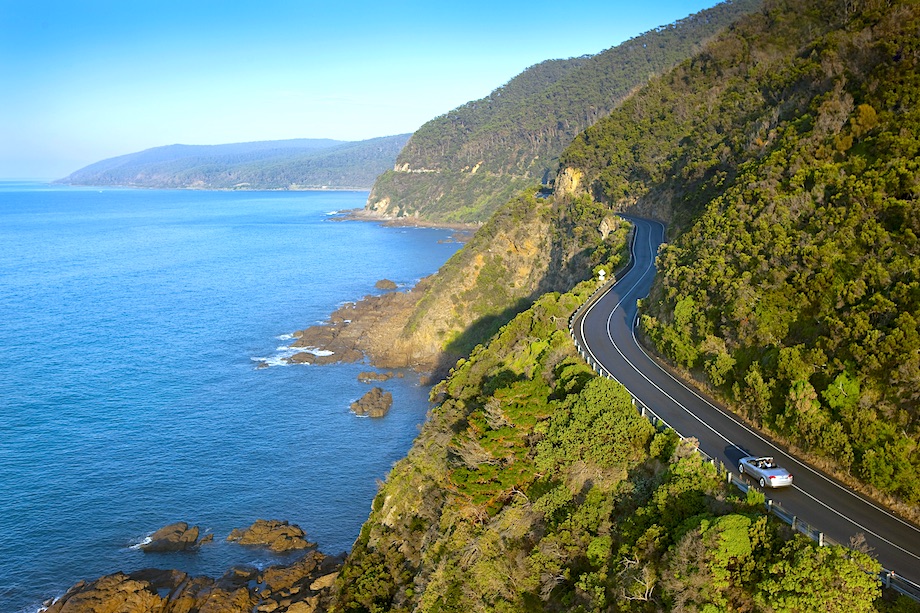
The Great Ocean Road is one of Australia’s, and possibly the world’s, most beautiful drives.
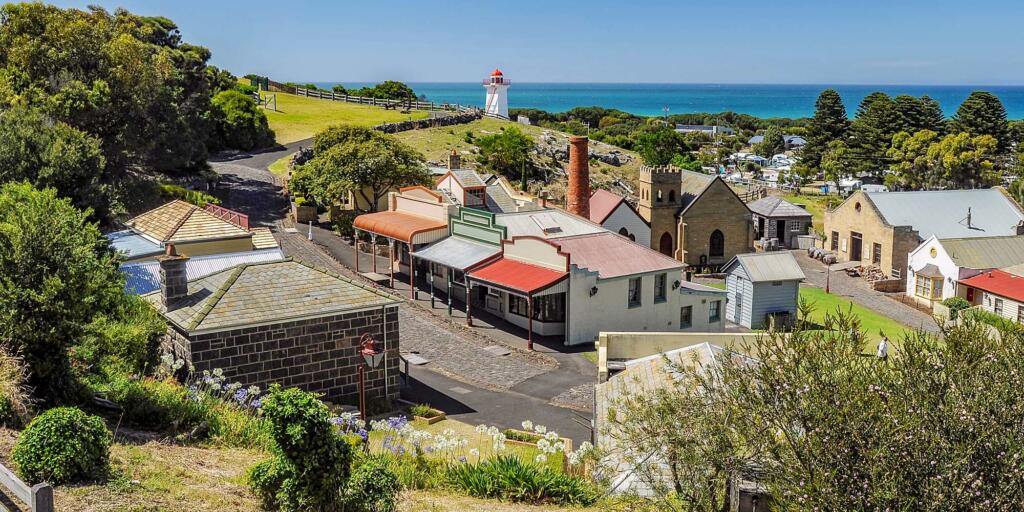
Starting at its eastern end in the town of Torquay, and finishing in Allansford to the west, the Great Ocean Road hugs Victoria’s southern coastline for just on 240 kilometres. Rugged terrain, pristine beaches, lush rainforest, and quintessential seaside hamlets are all hallmarks of the route, and there’s something amazing to see around every bend in the road.
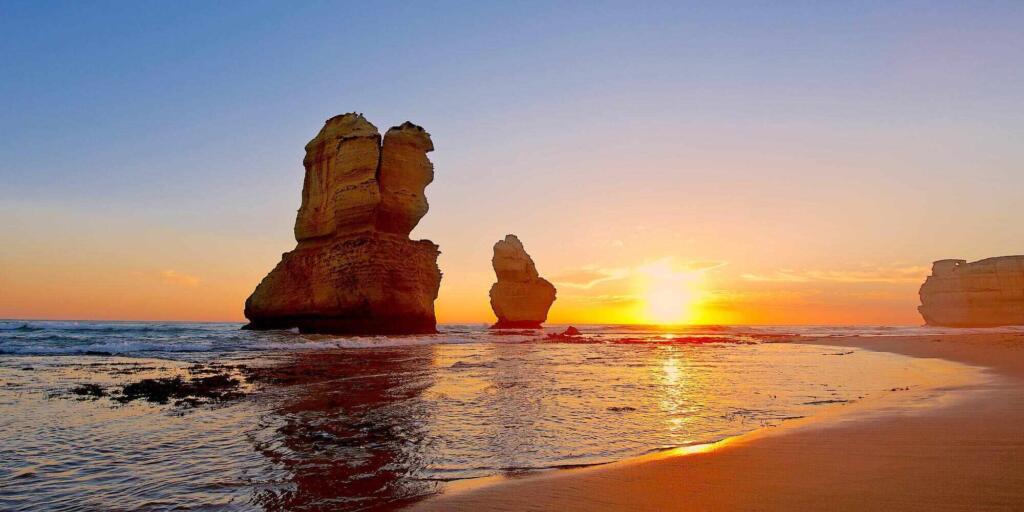
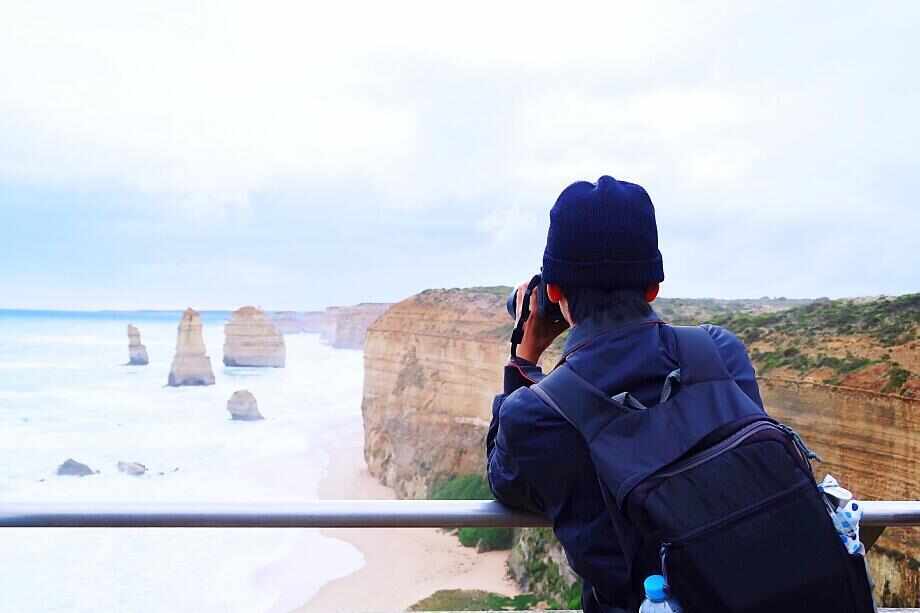
High on the list of must-sees for most visitors are the 12 Apostles sea stacks in Port Campbell National Park. These time-and-wave-worn pillars of limestone are truly breathtaking to behold.
Here’s a detailed guide to driving the Great Ocean Road.
Watch our video of ten top things to do on the Great Ocean Road:
Top 10 Things to Do on the GREAT OCEAN ROAD, Victoria, Australia, 2026 | Ultimate Road Trip Guide
👉👉👉 Support our channel and save on travel by joining our new Top Traveller Club: https://www.youtube.com/channel/UCIWPeSl1aL72F1NCuS4ePTQ/join 👈👈👈 Member benefits include early access to videos, a branded travel water bottle, and 10% off day and multi-day tour bookings worldwide! Browse day tours: https://topoztours.partner.viator.com Browse multi-day tours: https://topoztours.trips.tourradar.com Join today!
1. Get your bearings
Many first-time visitors expect the Great Ocean Road to be in close proximity to the Victorian capital Melbourne. It isn’t. It’s roughly a 1.5 to two-hour drive from Melbourne to the official start point, depending on traffic. So, you’ll need to factor that in when planning your trip. It is possible to drive the Great Ocean Road from Melbourne in a single day, returning to the city via the faster inland route. However, you’ll be spending most of the day in your car, with little time to get out and enjoy the sublime setting.
2. Plan a two-day stay
If you’re driving from Melbourne, our recommendation is to do the trip over two, or even three days — giving you time to explore at a leisurely pace. Day one might see you driving as far as the towns of Lorne or Apollo Bay, both of which offer an array of accommodation options. In both instances, you’ll be able to get an early start to travel on to the 12 Apostles the following day. Keep in mind that it gets exceptionally busy at the Apostles when the cavalcade of day tour buses arrives from Melbourne around mid afternoon. Try and time your visit for first thing in the morning or in the late afternoon. Seeing the stone monoliths at sunrise or sunset is even better.

Tip: If you have the time, continue driving west along the coast to the towns of Warrnambool, Port Fairy, and Portland. They’re all packed with historic attractions and it’s worth exploring this remote part of Victoria in more detail.
3. Book accommodation well in advance
While the Great Ocean Road has plenty of accommodation — ranging from hostels, homestays, and holiday lets, to heritage hotels and luxury resorts — that doesn’t mean that it doesn’t get expensive, especially if you book at the last minute. Lock in a bed as early as possible to get the best deal. If you’re travelling in peak periods like school holidays or long weekends, expect to pay a significant premium regardless of when you book.
The key accommodation centres are Torquay, Anglesea, Lorne, and Apollo Bay. The eco-certified YHA Apollo Bay is a popular budget option and offers private rooms with shared bathrooms. Top hotels included the upscale RACV Torquay Resort, The Sands Torquay (which has an attached 18-hole championship golf course), and the wonderfully located Mantra Lorne. Ocean House at Lorne is one of the region’s most celebrated private holiday homes.

4. Protect you and your vehicle
Before you set out on your journey, it’s important to make sure that your vehicle is properly protected. If you’re driving a hire car, take out travel insurance that covers your excess in the event of an accident. If you’re driving a privately owned vehicle, organise a pre-trip service and ensure you have adequate car insurance or an extended auto warranty. Taking steps to safeguard your vehicle up front means you can enjoy a worry-free trip.
5. Drive carefully
Given its mesmerising beauty, travelling along the Great Ocean Road can be distracting — for even the most experienced of drivers. Keep your focus on the road and the speed limit. It constantly changes, and ranges from 50 to 100 kilometres per hour. Parts of the two-lane road are relatively narrow and offer little room to pull off or break suddenly. In some areas there is little or no verge, and repeated blind bends. Drive to the conditions and pay particular attention to safety when stopping for a photo. There are designated lookouts with parking right along the route, but many visitors choose to stop in spots that are less than ideal from a safety perspective.

6. Make frequent stops
There are innumerable things to see and do along the Great Ocean Road, so you’ll almost certainly be making frequent stops anyway. But taking regular breaks is also the safest way to drive the route. Pull over every couple of hours to stretch your legs, enjoy a bite to eat, or simply gaze out to sea and breathe in the salty air. All of the above will help keep you fresh and alert.
7. Watch out for wildlife
The Great Ocean Road traverses various types of landscapes, including coastal scrubland, wetlands, woodlands, and dense rainforest. The region as a whole is home to many wildlife species, including a large population of koalas. You’re almost guaranteed to see these slow-moving fur balls curled up in the limbs of gum trees. Kennett River is a sure bet; pull off at Hawdon Avenue, go for a stroll, and look up!

While the plentiful wildlife is amazing to look at, it also presents risks for drivers and regularly gets in harm’s way. Keep an eye out for furry locals feeding by the roadside at dawn and dusk, including kangaroos, wallabies, and even echidnas and koalas. Swerving at the last minute to avoid a collision could be disastrous for all involved; taking it slow and steady at these particular times of the day is the better course of action. If you spot an injured animal, call the Surf Coast Wildlife Shelter on 0490 035 006.
8. Dress for every weather eventuality
Melbourne regularly sees four seasons in a single day, and so does the Great Ocean Road. And those winds coming in off the Southern Ocean can be nippy! Whatever the season, pack a waterproof wind breaker and something warm to thrown on if the need arises.
9. Learn some local history
Knowing the history of the Great Ocean Road adds a different, somewhat bittersweet dimension to the journey. You’ll actually be driving on what is the largest war memorial in the world. The construction of the road by returning WWI soldiers provided gainful employment, a sense of purpose, and a permanent, utilitarian way to honour those who didn’t make it home from the battlefields. Work began in 1919 and finally ended in 1932. Visit the Memorial Arch at Eastern View to learn more.

10. Get great photos
Passionate photographers will love their time on the Great Ocean Road. There are Insta-worthy vistas around almost every corner and natural attractions lining up to be photographed. The 12 Apostles are ridiculously photogenic and can be viewed from a series of well-maintained boardwalks. For a different perspective, take the Gibson Steps down onto the beach and look up at the towering Apostles and mainland clifftops.
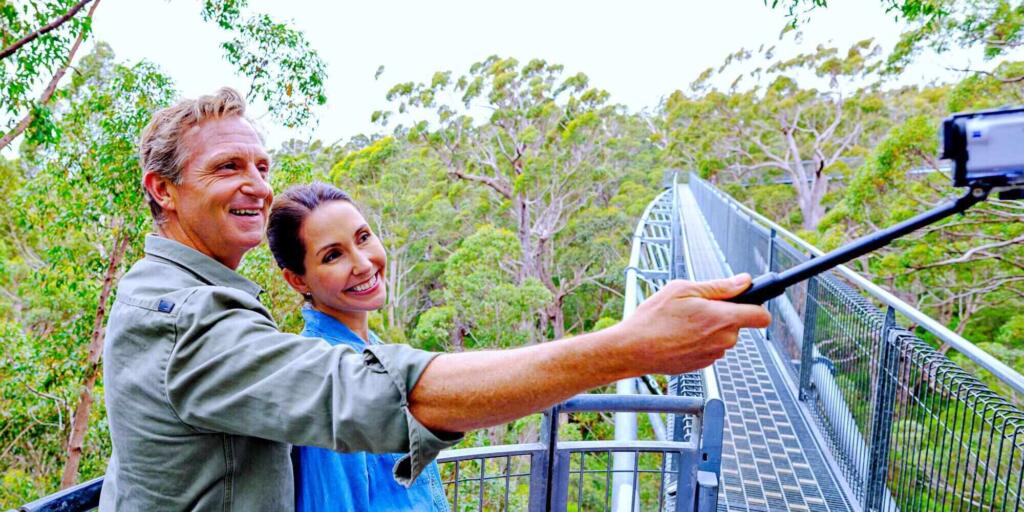
Maits Rest rainforest walk on the edge of Great Otway National Park meanders through an ancient world of almost Jurassic proportions and will see you getting snap happy. For epic coastal shots, climb the historic Cape Otway Lightstation and photograph gulls winging on the ocean breeze.
This post was published thanks to Market Watch.
Browse our range of Great Ocean Road tours and experiences here.
Do you have any tips to add to our guide to driving the Great Ocean Road? We would love to hear from you. Join the conversation on our Facebook page.
The information contained in this story is general in nature and does not constitute professional advice in any way. We make every effort to ensure this content is accurate, but we do not guarantee it. You should do your own research and seek the advice of professionals before acting or relying on any of the information provided in this story.
Additional images: Envato

About the writer
Adam Ford is editor of Top Oz Tours & Travel Ideas, and a travel TV presenter, writer, blogger, and photographer. He has travelled extensively through Europe, Asia, North America, Africa, and the Middle East. Adam worked as a travel consultant for a number of years with Flight Centre before taking up the opportunity to travel the world himself as host of the TV series Tour the World on Network Ten. He loves to experience everything a new destination has to offer and is equally at home in a five-star Palazzo in Pisa or a home-stay in Hanoi.
Travel essentials
You can book many aspects of your holiday on the Top Oz Tours & Travel Ideas website, including flights, hotels, car hire, travel insurance, and more. When you purchase a product or service using the following links from our partners, we receive a small commission. It does not affect the price you pay, and it enables us to continue to provide readers with amazing travel inspiration.
Flights
Compare airlines, flights, and fares in one place with Booking.com. They don’t charge any credit card fees and you can always see exactly what you’re paying for in the price breakdown. You can book one-way, round-trip, and multi-city flights, and change your travel dates with ease when you opt for a flexible ticket option (an additional cost applies). It all adds up to a great flight! Search for flights with Booking.com
Hotels
If you’re looking for a great deal on your next hotel or homestay, look no further than Booking.com. Their mission is to make travel affordable and accessible to more people, and to deliver seamless accommodation experiences that complement your holiday. Search for hotels and homestays with Booking.com
Car hire
Discover Cars is an award-winning (World Travel Awards) car rental comparison website, which helps customers find, compare, and hire cars at the most competitive prices globally. Search for hire cars with Discover Cars
Day tours & experiences
Search and book day tours, guided experiences, and attraction tickets and passes worldwide with Top Oz Tours and Viator. There are no booking or credit card fees when you book through us, and you’ll have access to the widest choice of activities and most competitive prices. Browse day tours and experiences
Multi-day tours & trips
Top Oz Tours has joined forced with Tour Radar to bring you a fabulous range of multi-day tours and trips from the world’s leading operators. Travel with like minded people and get the best possible price on the holiday of your dreams. Browse multi-day tours and trips
Travel insurance
World Nomads aims to be a part of every traveller’s journey by providing a reassuring range of travel insurance services. Benefits include coverage for emergency medical and evacuation or repatriation, lost baggage, trip cancellation, and more than 150 adventure activities. Get an insurance costing