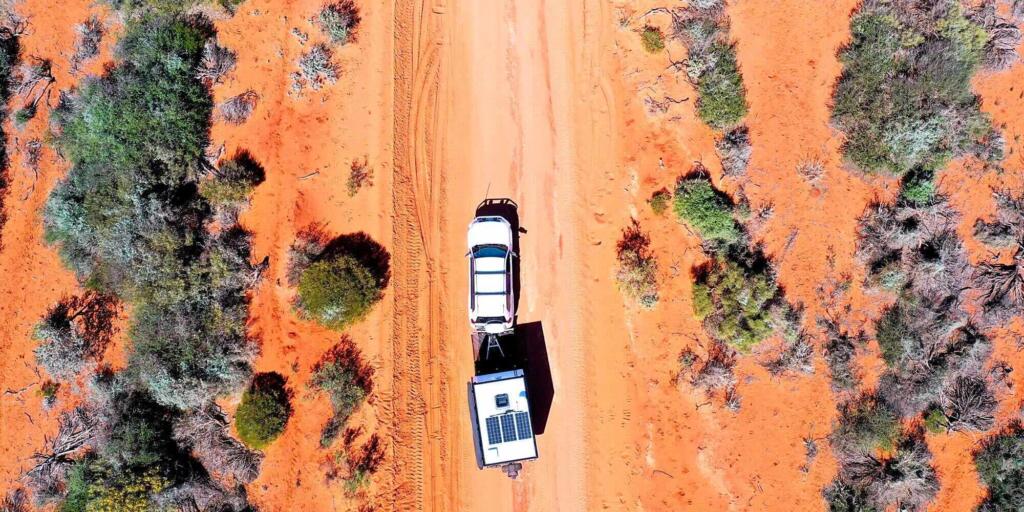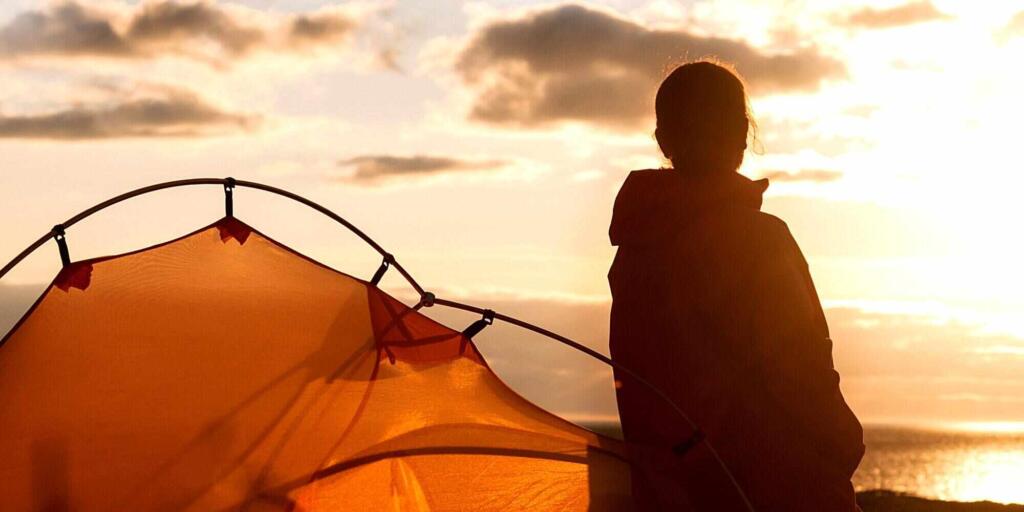
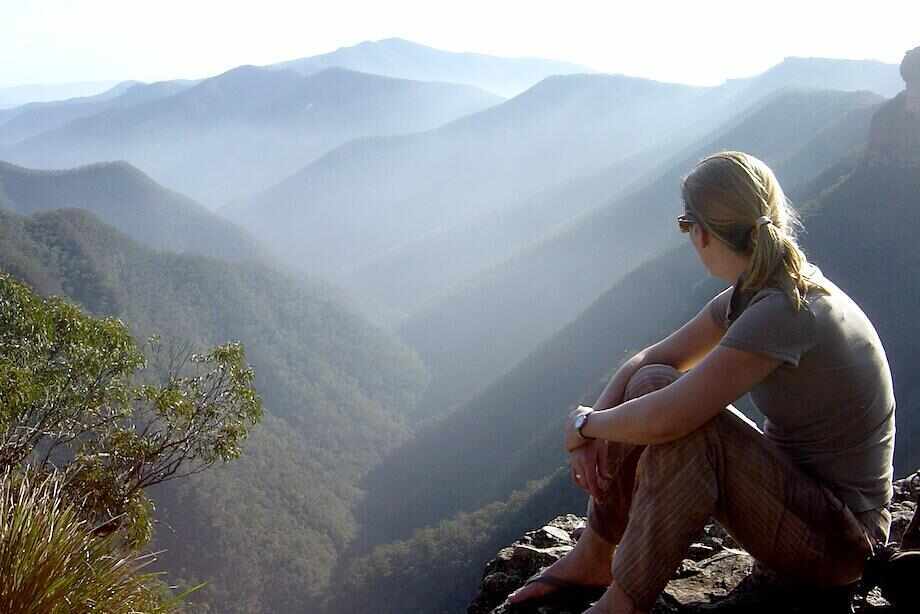
Australia has some of the most stunning national parks and reserves in the world, and one of the best ways to explore them is on a camping holiday.
There’s lot to love about this style of travel. It’s low impact on the environment, very cost-effective (particularly for families), and offers a rare opportunity to disconnect from your tech and spend quality time with loved ones. And you don’t even need to travel all that far, as the number of ‘urban campsites’ and ‘glamping’ options in and around Australia’s major cities is on the rise.
If you’re a complete newbie to the wonderful world of sleeping under canvas, here’s a beginner’s guide to camping in Australia.
Decide on a destination
There are close to 700 national parks across Australia and camping is permitted in many of the them. Start small and plan a weekend camping trip in a park that’s reasonably close to you. Begin your research by heading to the parks authority website for your state. You’ll find a description of each park, a list of the available camping sites, details of any applicable fees, and plenty of tips for planning a safe and enjoyable experience.
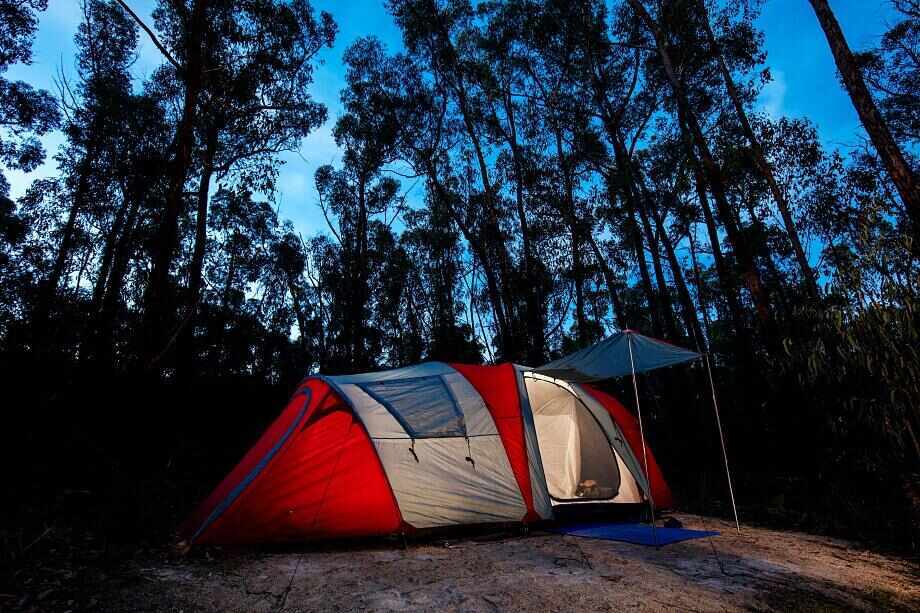
Pay particular attention to the availability of fresh drinking water, and whether there are any fire restrictions in the area you plan to visit. You should always carry extra drinking water with you in case of an emergency.
Get the right camping gear
Choosing the right gear is essential to ensure that your first camping trip is a success. The basics you’ll need are shelter, bedding, seating, lighting, and the means to prepare food. Shop around for a tent (look for something durable and lightweight like the Nemo Hornet tent), a ground sheet, sleeping bags, camp furniture, a portable BBQ or camp stove, and an esky.
Prepare a packing list
It’s all too easy to forget something important when getting packed for a camping holiday. The best way to ensure that everything you need goes into the car is to prepare a packing list.
Pack the car the night before your trip, so that you’re ready to roll first thing in the morning. Tick everything off the packing list as you go.

Select a great campsite
On arrival at your camping destination, you’ll need to choose a campsite. Select a flat, clear space, which is a safe distance from running water. Keep a reasonable distance between your campsite and any public amenities (such as toilet blocks and communal BBQs). Use your vehicle to define the edge of your campsite and provide some privacy.
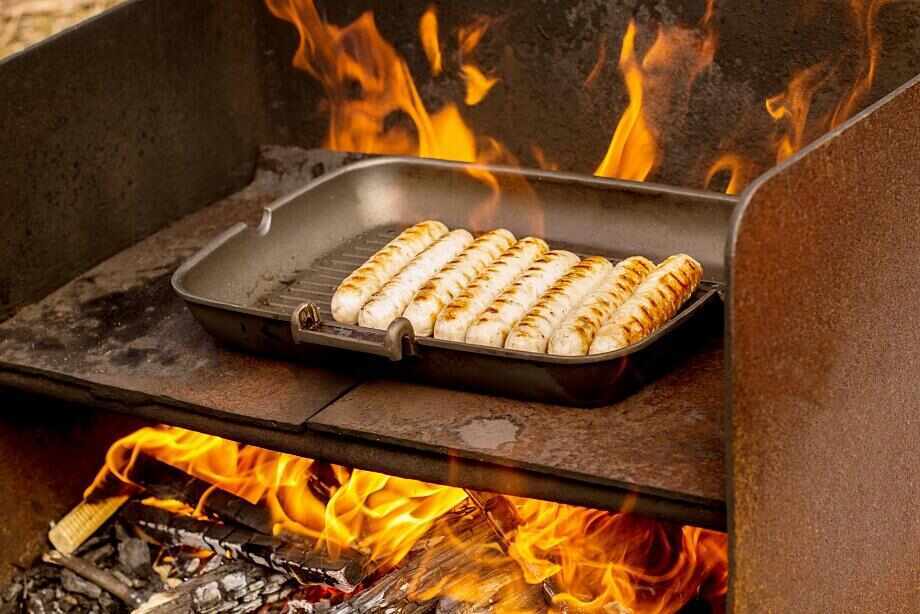
Shade is important, particularly from the afternoon sun. That said, be aware of what’s above your tent. Avoid old trees with large, dead branches for obvious reasons. Position your cooking space a safe distance from your tent, and ensure that your food supplies are stored securely and kept cool as required.
Respect our wild places and wildlife
The greatest thing you can do as a camper is to show respect for Australia’s wild spaces. Don’t leave anything behind in any national park except footprints. Take all rubbish with you at the end of your stay. Even if bins are provided, you can assist the local parks authority by disposing of your own waste and recyclables.
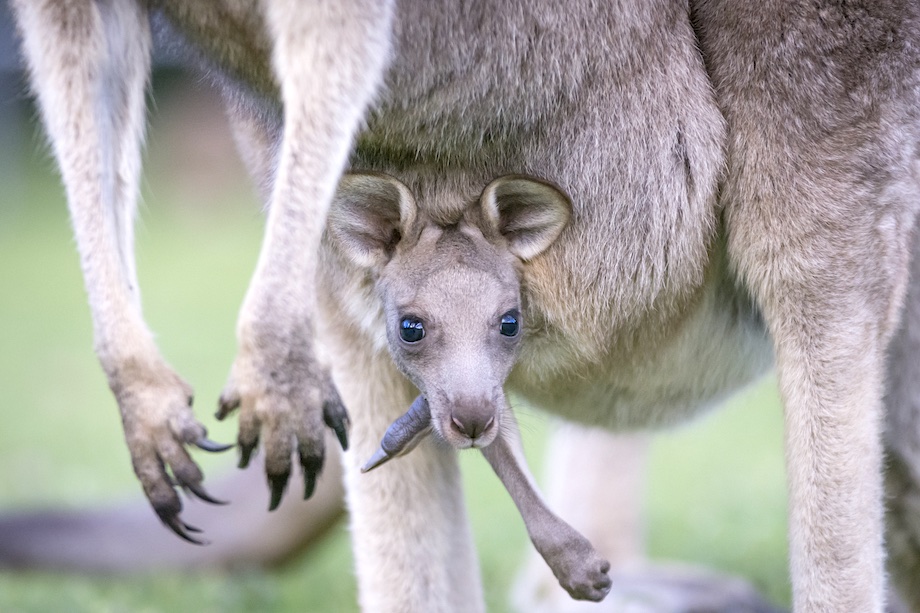
Chances are, as a camper, you’re going to meet some of our amazing wildlife. And generally, most animals will be looking for food. Keep a safe distance and don’t feed any wildlife; it can be very harmful to their health. Be aware of any potentially dangerous reptiles that live in the area you’re visiting. They’ll want to stay out of your way as much as you want to stay out of theirs, but close encounters are possible.
Get ‘appy
And finally, download the popular Wiki Camps app onto your phone. It will point you in the direction of great camping spots around Australia and provide information on things to do in the local area.
This post was published thanks to Oz Backcountry.
Browse our range of Australia tours and experiences here.
Do you have any tips to add to our beginner’s guide to camping in Australia? We would love to hear from you. Join the conversation on our Facebook page.
Additional images: Bigstock
About the writer
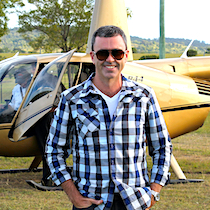
Adam Ford is editor of Top Oz Tours & Travel Ideas, and a travel TV presenter, writer, blogger, and photographer. He has travelled extensively through Europe, Asia, North America, Africa, and the Middle East. Adam worked as a travel consultant for a number of years with Flight Centre before taking up the opportunity to travel the world himself as host of the TV series Tour the World on Network Ten. He loves to experience everything a new destination has to offer and is equally at home in a five-star Palazzo in Pisa or a home-stay in Hanoi.
Travel essentials
You can book many aspects of your holiday on the Top Oz Tours & Travel Ideas website, including flights, hotels, car hire, travel insurance, and more. When you purchase a product or service using the following links from our partners, we receive a small commission. It does not affect the price you pay, and it enables us to continue to provide readers with amazing travel inspiration.
Flights
Compare airlines, flights, and fares in one place with Booking.com. They don’t charge any credit card fees and you can always see exactly what you’re paying for in the price breakdown. You can book one-way, round-trip, and multi-city flights, and change your travel dates with ease when you opt for a flexible ticket option (an additional cost applies). It all adds up to a great flight! Search for flights with Booking.com
Hotels
If you’re looking for a great deal on your next hotel or homestay, look no further than Booking.com. Their mission is to make travel affordable and accessible to more people, and to deliver seamless accommodation experiences that complement your holiday. Search for hotels and homestays with Booking.com
Car hire
Discover Cars is an award-winning (World Travel Awards) car rental comparison website, which helps customers find, compare, and hire cars at the most competitive prices globally. Search for hire cars with Discover Cars
Day tours & experiences
Search and book day tours, guided experiences, and attraction tickets and passes worldwide with Top Oz Tours and Viator. There are no booking or credit card fees when you book through us, and you’ll have access to the widest choice of activities and most competitive prices. Browse day tours and experiences
Multi-day tours & trips
Top Oz Tours has joined forced with Tour Radar to bring you a fabulous range of multi-day tours and trips from the world’s leading operators. Travel with like minded people and get the best possible price on the holiday of your dreams. Browse multi-day tours and trips
Travel insurance
World Nomads aims to be a part of every traveller’s journey by providing a reassuring range of travel insurance services. Benefits include coverage for emergency medical and evacuation or repatriation, lost baggage, trip cancellation, and more than 150 adventure activities. Get an insurance costing